
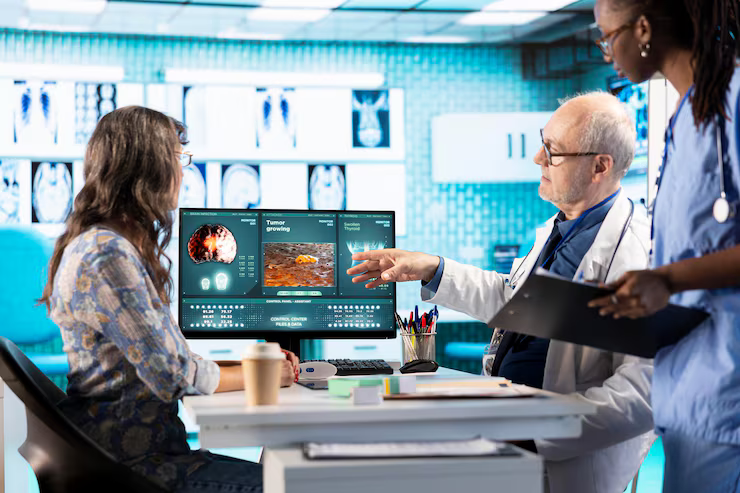
Over the past decade, hospitals around the world have undergone a major digital shift. Traditional paper-based processes are being replaced by modern systems designed to make healthcare faster, safer, and more efficient. Digital healthcare systems—such as electronic health records, telemedicine platforms, automated diagnostics, and AI-supported tools—allow hospitals to treat patients more accurately and with greater speed. These technologies are not just conveniences; they have become essential for delivering high-quality care in a world where medical demands, patient expectations, and data volumes continue to grow.
Digital transformations also help hospitals manage large-scale operations more effectively. Whether it’s storing patient history, tracking medication, or sharing reports with specialists, technology has simplified processes that were once time-consuming and error-prone. Countries like Pakistan are increasingly adopting hospital technology solutions to improve service quality and ensure better healthcare accessibility for communities.
Why modern hospitals depend on technology
Modern hospitals rely heavily on technology because it enhances every stage of patient care—from diagnosis and treatment to monitoring and follow-up. Advanced imaging machines, automated lab testing systems, artificial intelligence, and smart devices ensure doctors receive accurate data quickly, enabling life-saving decisions within minutes.
Technology also supports hospital administration by improving communication, resource management, and workflow efficiency. From digital appointment systems to automated billing, technology reduces manual work so healthcare professionals can focus more on treating patients.
Moreover, modern hospitals must meet rising expectations for convenience and quality. With features like telemedicine, remote monitoring, mobile health apps, and cloud-based patient portals, hospitals can now deliver care beyond their physical buildings. This shift has made healthcare more accessible, especially for patients in rural or underserved areas.
Key Technologies Used in Modern Hospitals
Electronic Health Records (EHR) and digital patient data
Electronic Health Records have replaced traditional paper files in most modern hospitals. EHR systems store complete patient information—medical history, lab results, prescriptions, allergies, imaging data, and treatment plans—in a digital format that can be accessed instantly by authorized doctors and nurses. This centralized data system reduces errors, speeds up diagnosis, and ensures continuity of care.
In countries like Pakistan, hospitals are increasingly shifting to EHR solutions to improve accuracy and efficiency. With digital records, doctors can track patient progress over time, share reports with specialists, and provide safer treatments. EHR systems also integrate with billing, pharmacy, and laboratory tools, making hospital operations more streamlined and patient-centered.
Telemedicine and remote patient monitoring
Telemedicine has become a vital part of modern healthcare. It allows patients to consult doctors online through video calls, chat systems, or mobile apps. This technology is especially helpful for elderly patients, rural communities, and individuals with mobility challenges. Hospitals now use telemedicine to manage routine check-ups, post-surgery monitoring, and chronic disease follow-ups.
Remote patient monitoring devices—such as smart blood pressure meters, glucose monitors, and wearable heart-rate trackers—send real-time health data directly to doctors. This enables early detection of complications and reduces unnecessary hospital visits. Telemedicine also reduces patient load in hospitals, allowing doctors to focus on critical cases.
Artificial Intelligence (AI) and machine learning in diagnosis
AI and machine learning are transforming clinical decision-making. These technologies analyze massive amounts of medical data to help identify diseases earlier and more accurately. AI-powered tools can interpret X-rays, CT scans, and MRIs faster than human radiologists, flagging abnormalities that might be missed during manual review.
Machine learning algorithms also assist in predicting patient risks—such as the likelihood of stroke, heart attack, or infection—based on patterns found in patient data. This early insight allows doctors to take preventive action. In many global hospitals, AI chatbots and virtual assistants manage patient queries, schedule appointments, and guide patients through pre- and post-care instructions.
Internet of Medical Things (IoMT) and smart devices
The Internet of Medical Things includes connected medical devices, sensors, and wearables that communicate with hospital systems. Devices like smart infusion pumps, oxygen monitors, ECG patches, and temperature sensors continuously track patient vitals and alert staff if abnormalities occur.
IoMT improves patient safety by ensuring real-time monitoring, especially in intensive care units. It also assists hospitals in asset tracking, medication management, and workflow optimization. As Pakistani hospitals adopt more smart technologies, IoMT is becoming a core part of modern healthcare infrastructure.
Robotics in surgery, rehabilitation, and hospital workflow
Robotic technology has revolutionized surgical procedures. Robotic-assisted surgery allows doctors to perform highly precise, minimally invasive operations with enhanced control. This results in smaller incisions, less pain, faster recovery, and reduced risk of complications.
In addition to surgery, robots are used in rehabilitation therapy, where they help patients regain mobility through guided movements. Hospitals also use robotic systems for automating routine tasks—such as delivering medications, transporting equipment, and disinfecting rooms—reducing staff workload and improving operational efficiency.
3D printing for medical equipment, implants, and prosthetics
3D printing has opened new possibilities in personalized healthcare. Hospitals now use 3D printers to create custom implants, prosthetic limbs, dental devices, and even anatomical models for pre-surgery planning. These custom-made products improve patient comfort and treatment accuracy.
In orthopedic, dental, and reconstructive surgeries, 3D-printed implants are highly precise and tailored to an individual’s body structure. 3D printing also helps reduce costs and production time, which is especially beneficial for developing healthcare systems.
Virtual Reality (VR) and Augmented Reality (AR) in medical training
VR and AR technologies are transforming how medical professionals learn and practice. Virtual Reality allows students and surgeons to simulate real-life procedures in a risk-free environment. They can practice techniques, learn anatomy, and improve their skills without needing live patients.
Augmented Reality overlays digital information onto real-world views, helping surgeons plan operations with greater precision. AR headsets can display patient scans, blood vessel maps, and real-time data during procedures. These technologies are widely used in medical colleges for training future doctors and nurses, making healthcare education more effective and interactive.
Faster diagnosis and improved patient outcomes
Technology has significantly accelerated the speed and accuracy of medical diagnosis. Tools such as digital imaging systems, AI-powered diagnostic platforms, and automated lab equipment allow doctors to detect diseases earlier than ever before. Faster diagnosis leads to timely treatment, which greatly improves patient recovery rates and overall health outcomes.
For example, modern imaging machines produce clearer, more detailed scans, helping doctors diagnose cancer, infections, and internal injuries with precision. Automated lab systems also process test samples quickly, minimizing delays in critical situations. When hospitals integrate these technologies effectively, patients benefit from rapid care, better decision-making, and reduced risk of complications.
Reduced medical errors through automation
Medical errors can occur due to miscommunication, missing information, or manual mistakes. Technology helps minimize these risks by automating key processes within hospitals. Electronic Health Records ensure that doctors always have accurate patient data, reducing the chance of prescribing the wrong medication or dosage.
Smart devices, barcode medication systems, and automated alerts help nurses administer treatments safely. AI-based tools also assist clinicians by double-checking medical data and highlighting potential issues. Automation creates a safer hospital environment, ultimately saving lives and enhancing trust between patients and healthcare providers.
Enhanced patient experience and convenience
Technology has transformed the way patients interact with hospitals. Features like mobile apps, digital check-ins, telemedicine consultations, and online lab report systems provide a more convenient healthcare experience. Patients no longer need to wait in long queues for appointments or follow-ups; they can schedule visits, access health records, and communicate with doctors from their phones.
Smart hospital rooms equipped with sensors and monitoring devices also enhance comfort and safety. Real-time updates, reminders, and digital communication tools keep patients informed and engaged throughout their treatment journey. This improved experience leads to higher satisfaction and better patient-hospital relationships.
Increased efficiency in hospital operations
Hospital operations involve hundreds of daily tasks—from patient registration to medication management, equipment tracking, billing, and discharge planning. Technology streamlines these processes and ensures everything runs smoothly. Automated scheduling systems help reduce patient overcrowding, while digital workflows improve coordination among doctors, nurses, and administrative staff.
IoMT devices assist in tracking critical equipment, optimizing inventory, and reducing unnecessary costs. Robotics support routine tasks like sanitization and supplies delivery, allowing staff to focus on patient care. With improved efficiency, hospitals can treat more patients, reduce operational errors, and provide higher-quality services.
High installation and maintenance costs
One of the biggest challenges modern hospitals face is the high cost of purchasing, installing, and maintaining advanced medical technology. Equipment such as MRI machines, robotic surgical systems, and IoMT devices require significant investment. Additionally, software licenses, cloud storage, cybersecurity tools, and regular upgrades further increase operational expenses.
For many hospitals—especially in developing regions—budget limitations make it difficult to adopt new technology at the same pace as global medical centers. Even after installation, ongoing maintenance costs must be carefully managed to prevent downtime and ensure the technology continues performing safely and accurately.
Staff training and digital literacy issues
Introducing sophisticated technology requires hospital staff to learn new systems, tools, and workflows. Doctors, nurses, technicians, and administrative teams must all be trained to use digital systems correctly, whether it’s operating new diagnostic machines or managing electronic health records.
However, many healthcare workers are already burdened with demanding schedules. Finding time for proper training can be difficult, leading to gaps in digital literacy. If staff do not fully understand the technology, it can result in errors, slower processes, or resistance to adopting new methods. Continuous training programs are essential to ensure smooth transitions and long-term success.
Data privacy and cybersecurity risks
As hospitals store increasing amounts of sensitive patient data digitally, cybersecurity becomes a major concern. Cyberattacks on healthcare systems have risen worldwide, targeting confidential information such as medical records, insurance details, and financial data. A single breach can result in serious legal, financial, and ethical consequences.
Hospitals must implement strong cybersecurity measures—such as encrypted systems, secure networks, multi-factor authentication, and regular security audits—to protect data from hackers. However, maintaining this level of security requires constant monitoring and investment, which can be challenging for many hospitals with limited resources.
Integration challenges with legacy systems
Many hospitals still use older, legacy systems for record-keeping, billing, or equipment management. Integrating new technology with these outdated platforms can be complex and time-consuming. Compatibility issues often arise, leading to disruptions in workflow or incomplete data transfer.
Sometimes, hospitals must rebuild entire systems from scratch to ensure proper integration, which increases both cost and project duration. Poor integration can also lead to inconsistent data, duplicate entries, and communication breakdowns between departments. A phased approach and expert technical support are crucial to overcoming these challenges.
How Technology Is Shaping the Future of Healthcare
Predictive analytics for early disease detection
Predictive analytics is becoming one of the most powerful tools in modern healthcare. By analyzing large datasets—such as patient histories, lab results, and lifestyle patterns—these systems can identify early warning signs of diseases before symptoms even appear. This allows hospitals to shift from reactive care to proactive care, reducing the risk of complications and improving survival rates.
For example, predictive models can alert doctors about patients at risk of developing diabetes, heart disease, or infections based on subtle indicators that may go unnoticed in routine check-ups. With this early insight, hospitals can design preventive care plans, recommend lifestyle changes, or schedule early interventions. As predictive analytics continues to evolve, it is expected to play a major role in minimizing hospital admissions and improving public health.
Personalized treatment through precision medicine
Healthcare is moving toward a future where treatments are tailored to each individual rather than following a one-size-fits-all approach. This new model—known as precision medicine—uses information such as genetics, environment, and lifestyle to design personalized treatment plans. Technology plays a crucial role in making this possible.
Advanced genetic testing tools help doctors understand how a patient’s body will respond to specific medications or therapies. AI-powered systems also help customize treatment options by analyzing similar patient profiles and predicting which approaches are most likely to succeed. Precision medicine ensures more effective treatments with fewer side effects, particularly in areas such as cancer care, mental health, and chronic disease management.
AI-enabled hospitals and fully automated workflows
The hospitals of the future will be highly intelligent, automated, and interconnected. AI-enabled hospitals already use robotics, machine learning, and smart systems to handle many routine processes with minimal human intervention. This includes automated patient monitoring, voice-assisted documentation, AI-based triage systems, and predictive maintenance for medical equipment.
Fully automated workflows reduce workload on hospital staff, minimize errors, and deliver faster care to patients. For example, AI can manage appointment scheduling, route patient information to specialists, and assist doctors during surgeries with real-time analytics. As these technologies advance, hospitals will become more efficient, more accurate, and more patient-centered.
Career Opportunities in Healthcare Technology
Jobs created by digital transformation in hospitals
The rapid adoption of digital tools in hospitals has opened the door to a wide range of new career opportunities. Modern healthcare systems now require skilled professionals who can manage technology, analyze data, operate advanced equipment, and ensure smooth digital workflows. Some of the most in-demand roles include:
- Health Information Technicians who manage Electronic Health Records
- Medical Data Analysts who interpret hospital data for better decision-making
- Telemedicine Coordinators who handle virtual consultations
- Biomedical Technicians who maintain and repair medical equipment
- AI and Machine Learning Assistants who support diagnostic systems
- IoMT Device Technicians responsible for smart medical devices
- Medical Imaging Specialists trained in digital radiology and diagnostics
These roles are growing every year as healthcare facilities continue to integrate more technology into their operations. Students with strong technical, analytical, or IT backgrounds are especially suitable for these fields.
Learn more about skills needs for healthcare technicians.
Why students should pursue healthcare technology diplomas
Healthcare technology is one of the fastest-growing career sectors worldwide. As hospitals move toward automation and digitization, the demand for skilled professionals continues to rise. For students, pursuing a diploma in healthcare technology offers several advantages:
- High employability due to increasing hospital digitization
- Opportunities to work in hospitals, labs, diagnostic centers, and telemedicine services
- Strong salaries and long-term career stability
- Ability to contribute directly to patient care and healthcare improvement
- Exposure to advanced tools such as EHR systems, diagnostic equipment, and medical software
Additionally, this field is ideal for students who want a meaningful career that combines technology with real-world impact. Healthcare technology roles are not limited to medical professionals; many positions focus on administration, analytics, IT support, and technical operations.
Healthcare-related diploma programs at CATS College Lahore
CATS College Lahore provides specialized diploma programs designed to help students build careers in modern healthcare and medical technology. These programs combine practical training, industry-relevant curriculum, and hands-on learning to prepare students for real hospital environments.
Relevant diploma programs offered at CATS College include:
- Diploma in Medical Lab Technology
- Diploma in Radiology & Imaging Technology
- Diploma in Operation Theater Technology
- Diploma in Pharmacy Technician
- Diploma in Health Technician
- Diploma in Medical Administration and Data Management
- Other healthcare and allied medical programs aligned with industry needs
These diplomas equip students with essential skills in digital healthcare systems, lab equipment handling, diagnostic procedures, medical software usage, and record management. Graduates can pursue rewarding careers in hospitals, diagnostic centers, laboratories, and healthcare organizations across Pakistan and abroad.
How CATS College Prepares Students for Modern Healthcare Careers
Practical training with industry-focused curriculum
CATS College Lahore is committed to preparing students for the rapidly evolving healthcare sector by offering programs built around current industry requirements. The curriculum is designed in collaboration with healthcare professionals and medical institutions, ensuring that students learn the exact skills hospitals need today.
Each healthcare-related diploma blends core medical knowledge with modern technological components. Students learn how to operate diagnostic machines, manage electronic health systems, understand lab automation, and work with medical software. This practical, job-oriented approach helps graduates enter the workforce with confidence and updated skills that align with hospital expectations.
Experienced faculty and hands-on learning labs
One of the strongest pillars of CATS College is its highly qualified and experienced faculty. Instructors include medical experts, lab technologists, radiologists, pharmacists, and healthcare administrators who bring real-world experience into the classroom. Their guidance ensures students receive not only theoretical understanding but also practical insights into modern hospital operations.
The college also provides fully equipped learning labs where students can practice on actual machines and tools used in hospitals and diagnostic centers. These include digital imaging systems, lab testing equipment, sterilization units, and patient monitoring devices. Hands-on learning builds confidence and competence, making students job-ready from day one.
Internship opportunities and job market relevance
CATS College maintains strong connections with hospitals, diagnostic labs, and healthcare organizations across Lahore and beyond. These partnerships allow students to access internship placements where they can apply their classroom knowledge in real clinical environments.
During internships, students gain experience in handling patients, operating equipment, managing records, and supporting hospital staff. This exposure helps them understand workplace expectations, develop professional skills, and build a strong CV.
By aligning its programs with job market needs, CATS College ensures that graduates are equipped with relevant skills that healthcare employers actively seek—giving them a competitive advantage in a fast-growing industry.
Technology enhances patient care by enabling faster diagnosis, accurate treatment planning, and continuous monitoring. Tools like EHRs, AI-driven diagnostics, and smart devices help doctors make informed decisions quickly, reducing risks and improving recovery outcomes.
Electronic Health Records store patient medical histories digitally, making information easily accessible to doctors, nurses, and specialists. This reduces paperwork, minimizes errors, speeds up treatment, and improves overall hospital coordination.
Telemedicine allows patients to consult doctors remotely using mobile phones or computers. It is especially helpful for people living in remote areas, reducing travel costs and making healthcare services accessible anytime, anywhere.
AI analyzes medical images, lab reports, and patient data to detect patterns that might be difficult for humans to identify. This supports early disease detection, improves diagnostic accuracy, and helps doctors make better medical decisions.
Students should focus on skills such as medical equipment handling, lab automation, EHR management, data analytics, telemedicine operations, and understanding AI-driven healthcare tools. These skills are essential for working in modern hospitals and diagnostic centers.
Conclusion
Technology is transforming healthcare at an unprecedented pace. From AI-powered diagnostics to smart monitoring devices, modern hospitals are shifting toward safer, faster, and more accurate patient care. These innovations not only improve medical outcomes but also create new career opportunities for students who want to work at the intersection of healthcare and technology.
Educational institutions like CATS College Lahore play a key role in preparing the next generation of healthcare professionals. Through industry-focused diplomas, practical training, expert faculty, and real clinical exposure, students gain the skills needed to excel in today’s technologically advanced medical environments.