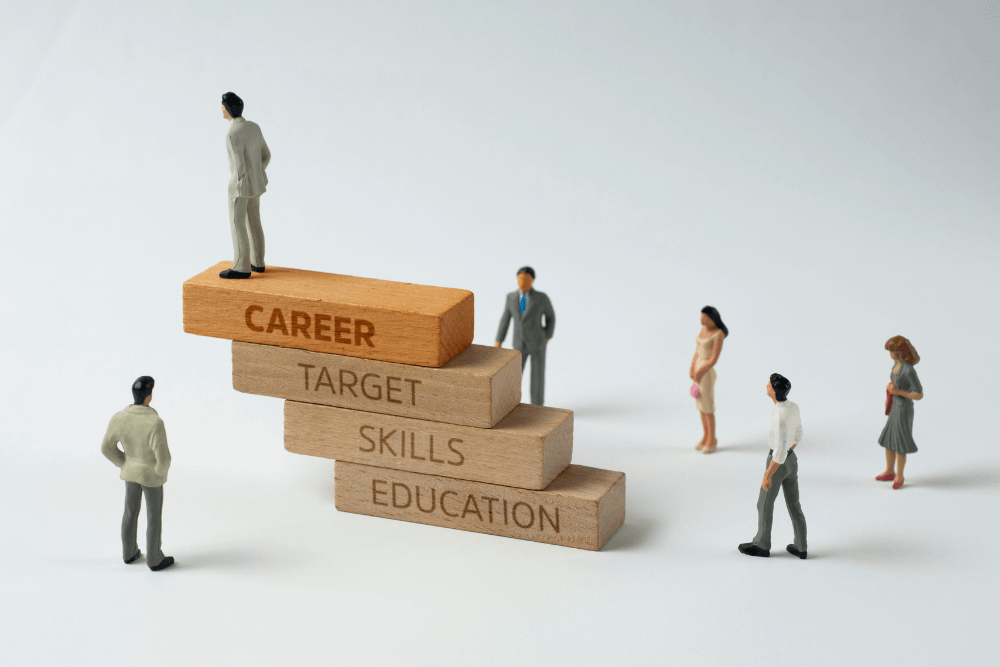
Career planning is essential for students who want to make smart decisions about their education and future careers. In Pakistan, where competition for higher education and job opportunities is growing, having a clear career plan helps students match their strengths, interests, and academic choices with real-world opportunities. A well-structured career plan allows students to select the right programs, build important skills, and focus on long-term goals. This ensures they are well-prepared for higher studies and a successful professional life.
Why Career Planning Is Important in Today’s Competitive World
Today’s job market is more competitive than ever, and students face pressure to make the right career choices early. Career planning provides guidance and clarity, helping students choose academic programs and skill-building opportunities that match their strengths. Without a proper plan, students may invest time and resources in areas that do not align with their goals, which can lead to frustration and wasted effort. By planning ahead, students can make decisions that support both academic success and professional growth.
Common Career Confusion Faced by Students in Pakistan
Many students in Pakistan feel uncertain about their future due to limited awareness of career options, parental expectations, peer pressure, and a lack of professional guidance. Rapidly changing industries and evolving job requirements add to this confusion. Students often struggle to select programs that match their skills and long-term ambitions. Early career planning, access to counseling, and support from educational institutions are crucial to help students make confident decisions that lead to academic and professional success.
What Is Career Planning?
Career planning is the process of setting professional goals and mapping out the steps needed to achieve them. It helps students make informed decisions about their education, skills, and future career paths. In Pakistan, where competition for higher education and employment is high, career planning allows students to align their interests, strengths, and academic choices with real-world opportunities. A clear career plan reduces uncertainty, saves time, and creates a structured approach toward long-term success.
Definition and Key Elements of Career Planning
Career planning involves self-assessment, exploring career options, setting goals, and taking actionable steps to achieve them. The key elements include:
- Identifying personal interests and strengths
- Researching career options and industry trends
- Choosing suitable academic programs
- Developing skills needed for the chosen field
By following these steps, students can create a roadmap that guides their educational and professional journey while preparing them for future challenges.
Difference Between Career Planning and Job Selection
Career planning and job selection are not the same. Job selection focuses on choosing a specific role or employment opportunity, usually for the short term. Career planning takes a broader, long-term approach, considering education, skill development, and professional growth over time. While job selection is a single decision, career planning ensures that students make strategic choices that align with both their personal interests and long-term professional ambitions.
Importance of Career Planning After Matric and Intermediate
After completing matriculation and intermediate education, students face important decisions that shape their academic and professional futures. Career planning at this stage is essential for selecting the right programs, avoiding mismatches, and preparing for long-term success. By planning early, students can make informed choices that align with their skills, interests, and future career goals.
Making Informed Academic Decisions
Career planning provides clarity for students to choose academic programs that suit their strengths and aspirations. Whether considering BISE programs, technical diplomas, or BS degrees, understanding the available options helps students make decisions that build a strong foundation for higher education and career growth. Early planning ensures that students select courses and programs that lead to meaningful opportunities in their chosen fields.
Avoiding Career Mismatches and Skill Gaps
Without proper career planning, students may enroll in programs that do not match their skills or market needs, creating gaps in knowledge and employability. Effective planning ensures students acquire relevant knowledge and skills for their chosen profession. This reduces the risk of pursuing a career path that is unsuited to their abilities or lacks opportunities, increasing their chances of success in the job market.
Long-Term Career Stability and Growth
Students who engage in career planning are better positioned for sustained success. Aligning education with personal strengths and market demands helps build a roadmap for promotions, skill development, and professional advancement. Early career planning supports long-term stability, allowing students to adapt to changing industry trends while maintaining steady growth in their chosen careers.
Understanding Career Options Available in Pakistan
Pakistan offers a variety of career options for students, ranging from traditional academic paths to technical and emerging industries. Exploring these options is a key step in career planning, helping students choose programs and skills that align with their strengths and market demands. Understanding available paths ensures informed decisions that lead to academic success and professional growth.
Traditional Academic Career Paths
Traditional academic paths include intermediate studies under BISE, undergraduate degrees, and postgraduate programs. These routes provide a strong theoretical foundation and open doors to careers in fields like medicine, engineering, law, business, and education. Students following these paths gain essential knowledge, critical thinking skills, and professional qualifications that help them succeed in competitive fields.
Technical and Professional Diploma Careers
Technical and professional diplomas focus on hands-on skills and practical knowledge. Fields such as information technology, healthcare technology, business management, and graphic design allow students to acquire expertise that is directly applicable in the job market. These programs often lead to faster employment opportunities and provide a strong foundation for professional growth.
Emerging Career Fields and Skill-Based Opportunities
Rapid technological changes and industry evolution have created new career opportunities in Pakistan. Careers in digital marketing, data analytics, artificial intelligence, renewable energy, and e-commerce are increasingly in demand. Skill-based learning in these fields equips students with specialized knowledge, giving them a competitive edge and improving employability in emerging industries.
How to Choose the Right Career Path
Choosing the right career path is a crucial decision for students who want long-term academic and professional success. It requires careful consideration of personal interests, strengths, and the current job market. By taking a strategic approach, students can select educational programs and career paths that align with their goals and potential.
Assessing Personal Interests and Strengths
The first step in career selection is understanding your own interests, skills, and strengths. Students should evaluate their academic performance, hobbies, and personal aptitudes to identify areas where they can excel. Tools such as aptitude tests, self-assessment questionnaires, and guidance from mentors can help students gain clarity on which career paths match their abilities.
Understanding Market Demand and Career Scope
It is important to consider the demand for careers in Pakistan’s job market. Students should research growing industries, emerging professions, and the skills required to succeed. Evaluating employment opportunities, salary prospects, and industry trends ensures that students choose careers with strong future growth potential and job stability.
Aligning Education with Career Goals
After assessing interests and market demand, students should choose educational programs that support their career objectives. Options may include BISE programs, technical diplomas, or BS degrees that equip students with the knowledge and skills needed for their chosen fields. Aligning education with career goals ensures students are prepared academically and professionally for success in their selected industries.
Role of Educational Institutions in Career Planning
Educational institutions play a vital role in helping students make informed career decisions. Schools and colleges provide guidance, resources, and structured programs that support students in developing skills, exploring opportunities, and setting achievable career goals. A strong institutional framework ensures that students are prepared to succeed academically and professionally.
Career Counseling and Academic Guidance
Career counseling helps students explore different career options and make choices based on their strengths and interests. Academic advisors provide insights on program selection, skill development, and potential career paths. With proper guidance, students can avoid confusion, make informed decisions, and plan their academic journey strategically.
Structured Programs and Skill Development
Institutions offer structured programs that combine theoretical knowledge with practical skill development. Curricula that include workshops, projects, and hands-on training help students build competencies relevant to their chosen fields. These programs ensure that students acquire the skills needed to succeed in competitive industries and prepare them for real-world challenges.
Faculty Support and Mentorship
Faculty members provide mentorship and continuous support, helping students understand course requirements, manage workloads, and set realistic career goals. Regular feedback and one-on-one guidance encourage students to stay focused, improve their performance, and build confidence. Faculty mentorship also helps students develop professional habits and a strategic approach toward their career planning.
How CATS College Helps Students with Career Planning
CATS College provides a supportive environment that helps students plan their careers effectively. Through structured programs, practical guidance, and personalized support, the college ensures that students are well-prepared to make informed academic and professional decisions.
Career-Oriented Teaching Methodology
CATS College follows a teaching methodology that focuses on career readiness. Courses are designed with clear learning objectives, practical applications, and skill development in mind. This approach helps students connect academic knowledge with real-world career opportunities, preparing them for future challenges and success.
Diverse Programs in BISE, Technical, and BS Degrees
The college offers a wide range of programs, including BISE intermediate studies, technical diplomas, and BS degrees. These programs cater to different interests and career goals, allowing students to select paths that align with their skills and ambitions. The diversity of programs ensures that every student finds a course that supports their long-term professional growth.
Academic Counseling and Student Support Services
CATS College provides dedicated academic counseling and student support services to guide students through their educational journey. Counselors assist with program selection, study planning, and career exploration, while faculty members offer mentorship and advice. This comprehensive support system helps students make confident decisions, improve academic performance, and prepare for successful careers.
Career Planning Tips for Long-Term Success
Effective career planning goes beyond choosing the right academic program. Students should focus on developing skills, staying adaptable, and preparing for long-term growth. Following practical strategies ensures they remain competitive in a rapidly evolving job market and achieve sustained professional success.
Importance of Skill Development Alongside Education
While academic qualifications are important, developing practical and transferable skills is equally essential. Skills such as communication, problem-solving, digital literacy, and leadership enhance employability and prepare students for diverse career challenges. By combining education with skill development, students increase their chances of securing rewarding opportunities and excelling in their chosen fields.
Continuous Learning and Career Flexibility
The job market is constantly evolving, making continuous learning a critical part of career planning. Students should remain open to updating their skills, exploring new fields, and adapting to industry changes. Career flexibility allows individuals to pivot when needed, embrace emerging opportunities, and maintain long-term career growth. By committing to lifelong learning, students ensure they remain relevant and competitive in the workforce.
FAQs – Career Planning Guide for Pakistani Students
Career planning is the process of identifying goals, assessing skills, and mapping educational steps to achieve professional success. It is important in Pakistan due to high competition for education and jobs, helping students make informed decisions and avoid career mismatches.
Students can choose the right career by evaluating their interests, strengths, and academic performance. Researching market demand, exploring career options, and aligning educational programs with long-term goals ensures informed and strategic choices.
Students in Pakistan can choose from traditional academic paths (BISE programs, undergraduate and postgraduate studies), technical and professional diplomas, and emerging fields such as digital marketing, AI, data analytics, and renewable energy.
Educational institutions provide career counseling, academic guidance, structured programs, skill development opportunities, and faculty mentorship. These resources help students make confident decisions, acquire relevant skills, and prepare for professional success.
Continuous skill development enhances employability, strengthens professional competencies, and allows students to adapt to evolving industry demands. Combining education with practical skills ensures students remain competitive and prepared for long-term career growth.
Conclusion – Building a Successful Career Through Smart Planning
Career planning is a vital step for students in Pakistan who want to achieve academic and professional success. By assessing personal interests, understanding market trends, and aligning education with career goals, students can make informed decisions that lead to long-term growth. Effective career planning helps avoid confusion, reduce skill gaps, and build a clear roadmap for achieving professional ambitions. Students who plan early are better prepared for challenges, equipped with the right skills, and positioned for a successful and rewarding career.
Call-to-Action – Start Your Career Journey with the Right Guidance
Take the first step toward a successful future by planning your career strategically. At CATS College, our expert faculty, structured programs, and dedicated counseling services guide students to make informed choices and develop essential skills. Explore our BISE programs, technical diplomas, and BS degrees to find the path that aligns with your goals. Contact CATS College today to start your academic and professional journey with confidence and clarity.