

A career in Medical Laboratory Technology (MLT) offers a vital, backstage role in patient care. The clinical lab is the place where scientific evidence is established. This evidence supports over 70% of medical diagnoses. Therefore, the Medical Laboratory Technologist functions as a scientific detective in modern healthcare. They meticulously analyze bodily fluids, tissues, and cells. Their work ensures clinicians have the accurate data needed to treat illnesses and save lives. Consequently, this demanding yet profoundly rewarding profession is essential to the entire health sciences ecosystem.
The MLT’s influence extends into every medical facility. Their precise work provides objective evidence that directs patient management. For instance, they support life-saving decisions made in the emergency room. Additionally, they monitor chronic diseases for patients in outpatient clinics. This profession demands a deep understanding of scientific principles. Moreover, it requires an unwavering commitment to precision and ethical practice. The consistent, growing demand for skilled MLTs makes this a highly attractive career choice. Furthermore, they offer both professional stability and intellectual stimulation.
Defining the Core Discipline and its Role
Medical Laboratory Technology, which is frequently called Medical Laboratory Science, focuses on performing diagnostic testing. The technologist uses sophisticated instruments and precise chemical reactions. Their goal is to identify disease markers, track infections, and monitor treatment response. Above all, they must produce reliable results quickly.
This laboratory role differs significantly from other health sciences professions. For example, Nursing and careers in Doctor of Physical Therapy DPT Lahore involve direct patient contact. However, the MLT’s critical impact is delivered indirectly, through high-quality data. Their work is the analytical engine driving all subsequent clinical decisions. Thus, a high degree of technical proficiency is non-negotiable. Ultimately, the lab is the crucial point where evidence-based medicine begins its application.

The Technologist’s Daily Commitment to Precision
An MLT manages the complete lifecycle of a test. First, they perform phlebotomy and initial sample preparation. Then, they expertly operate and calibrate complex automated analyzers. After that, they run multiple samples and carefully analyze the resulting data. Quality control checks are an immense part of their day. The MLT must ensure all instruments function strictly within acceptable limits. This quality assurance prevents diagnostic errors. Furthermore, the technologist promptly notifies clinicians of “critical values.” These are results requiring immediate medical attention. Consequently, this detailed, behind-the-scenes work is the foundational element of patient safety. They are responsible for every data point they release.
Educational Pathways and Market Demand
Entry into this highly specialized field requires accredited, focused education. Prospective students typically choose from structured program options. Many students pursue a Diploma in Medical Lab Technology Lahore. These shorter programs focus heavily on instilling core practical skills. This fast-tracks graduates into entry-level positions. Conversely, a Bachelor of Science (BS Health Sciences Pakistan) in MLT provides the most comprehensive preparation. This degree opens clear doors to supervisory and specialized research roles. This is one of the most in-demanded technical course with brighter career.
Quality Health Sciences Colleges Lahore are instrumental in delivering this essential training. These programs place an intense emphasis on mandatory practical training. Students gain extensive hands-on lab experience. This crucial focus ensures that graduates are truly competent individuals. In fact, they become immediately ready for the workforce upon graduation. The rising complexity of patient cases increases the demand for certified, highly skilled MLTs globally. Ultimately, this strong market need guarantees a stable, secure career outlook for graduates.
Importance of Practical Skill Development
Theoretical knowledge must seamlessly translate into flawless practical skill. Therefore, institutions must heavily prioritize hands-on learning opportunities. For example, they should provide modern, up-to-date lab facilities. Moreover, they must arrange mandatory clinical internship opportunities. A rigorous curriculum focusing specifically on skill development produces the most highly desirable graduates. This essential training ensures the graduate is proficient from their very first day on the job. Remember, the laboratory environment allows no room for hesitation or error.

Core Disciplines of the Clinical Laboratory: The Specialized Sections
The clinical lab is logically divided into several highly specialized departments. Training programs must ensure the MLT achieves robust proficiency across all these essential areas. This broad competency allows for flexible staffing within a hospital setting.
1. Clinical Chemistry and Hematology Expertise
Clinical Chemistry stands as the quantitative heart of the entire lab. MLTs accurately measure chemical components, metabolites, and enzymes present in body fluids. These precise measurements are used to assess organ function and patient metabolic health. For example, they check glucose levels for immediate diabetes diagnosis. Liver enzyme levels are quickly assessed to evaluate hepatic function after injury. The technologist expertly manages, calibrates, and performs maintenance on all automated analyzers here.
Hematology focuses specifically on the study of blood cells and plasma clotting factors. MLTs routinely perform Complete Blood Counts (CBCs) on thousands of samples. Following this, they prepare, stain, and examine peripheral blood smears for cellular abnormalities. They use this critical visual data to diagnose conditions like various anemias or leukemia. Coagulation studies are also meticulously managed here. Notably, these studies help monitor patients on blood-thinning anticoagulant therapy.
2. Microbiology and Immunohematology: Life-Saving Skills
Microbiology identifies disease-causing microorganisms with great precision. First, MLTs culture patient samples to grow and isolate specific pathogens. Then, Antibiotic Sensitivity Testing (AST) is performed. This test critically determines the most effective antibiotic drug. This essential discipline guides the physician’s treatment choices directly. It plays a major role in controlling antibiotic resistance.
Immunohematology, widely known as Blood Banking, is a core life-saving department. MLTs meticulously cross-match donor blood units with patient blood. This strict process ensures compatibility for transfusions. Ultimately, it prevents potentially fatal transfusion reactions. MLTs must perform complex antibody screening procedures. Given the stakes, this work demands the absolute highest level of vigilance.
3. Histopathology, Cytopathology, and Molecular Testing
Histopathology and Cytopathology often require specialized assistance. MLTs may assist in processing and preparing tissue samples (biopsies). They section and stain these samples for a pathologist’s review. This work is crucial for the definitive diagnosis of cancers and other serious diseases. Ultimately, the MLT’s foundation supports this detailed diagnostic pathway. Furthermore, specialized testing, such as advanced molecular diagnostics, is growing rapidly in importance. This modern area requires skills in DNA and RNA analysis.
MLT in the Broader Health Sciences Context
Prospective students should carefully compare MLT with other vital health fields. The final career choice should align perfectly with their individual interests and aptitudes.
For instance, careers in Medical Imaging & Ultrasound Science involve operating complex diagnostic imaging equipment. Their professional contribution is visual, capturing internal body images. In contrast, the MLT’s contribution is primarily chemical and cellular. Both roles are diagnostic but utilize different techniques.
Dispensing & Pharmacy Science professionals manage and dispense medications. They counsel patients on proper drug usage. Similarly, the MLT’s work strongly supports them. They provide essential drug monitoring data (Toxicology).
Physiotherapy Science and the Doctor of Physical Therapy DPT Lahore focus on physical rehabilitation. This involves intensive, direct patient interaction. However, the MLT provides the objective data on underlying conditions. Consequently, this data informs the DPT’s rehabilitation plan.
Operation Theater Science requires specialized surgical support. Technologists in Operation Theatre Technology Lahore assist in preparing the sterile field. Both MLT and OT Science require flawless execution of strict protocols. Both also require an ability to remain focused under pressure. Dental Hygiene Science has a unique focus on preventive oral care. Nevertheless, the MLT’s data underpins all these professions’ clinical decisions.
Career Scope, Advancement, and Future Outlook
The career scope for an MLT is exceptionally broad and highly stable. Graduates find high-demand employment immediately. They work in major hospitals, private diagnostic centers, and public health labs.
Advancement opportunities are structured after experience is gained. For example, an MLT can specialize further in a specific area. Perhaps they might earn advanced certification in molecular diagnostics. Alternatively, they can pursue established leadership roles. An experienced MLT can quickly become a Lead Technologist. They might progress to a Laboratory Manager position. This role oversees all operations, finance, and personnel. Quality Assurance (QA) is another highly desirable track. Here, the MLT ensures the lab meets strict national quality standards.
The future outlook for MLT careers remains extremely strong. Although the field is continuously evolving, it is not shrinking. Automation improves lab efficiency and test accuracy. However, the machine’s reliability depends entirely on human oversight. The MLT’s expertise is required to manage complex instruments. They must troubleshoot errors and interpret complex, non-routine results. Moreover, the rapid rise of molecular diagnostics demands new skills. Future MLTs must be proficient in advanced genetic testing. This is a key growth area in personalized medicine. Overall, this career offers security, profound intellectual challenge, and the satisfaction of essential service.
Essential Skills for the Successful MLT
Success in Medical Laboratory Technology requires more than just academic knowledge. It demands a specific set of professional competencies.
Attention to Detail and Ethical Conduct
An MLT must maintain an almost obsessive attention to detail. A tiny error in labeling can lead to a misdiagnosis. Therefore, they must perform every task meticulously. Furthermore, they must maintain the highest ethical standards. Patient confidentiality is strictly protected. Honest and accurate reporting of all results is non-negotiable.
Technical Proficiency and Critical Thinking
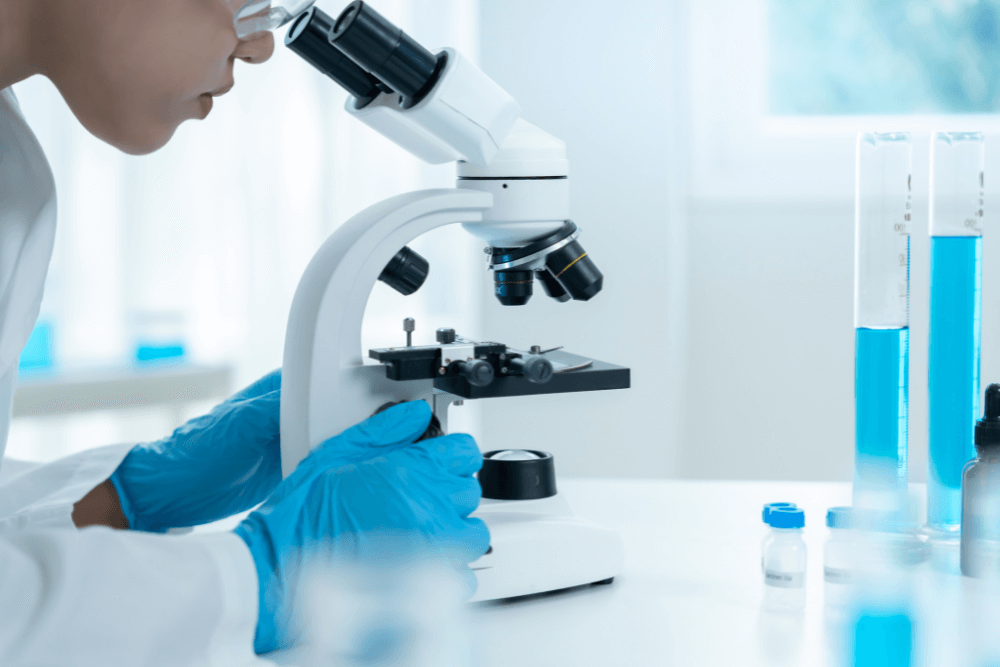
The job requires constant technical proficiency. Skills like microscopy and sterile technique must be mastered. Additionally, the MLT must possess strong critical thinking skills. They must be able to troubleshoot instrument failures quickly. They must investigate anomalous test results independently. Subsequently, they solve complex problems daily in the lab.
Communication and Professional Growth
MLTs must communicate effectively with all medical staff. They often explain technical issues to physicians. Moreover, they must relay critical results without delay. Finally, they must commit to professional growth. The MLT must continually update their knowledge and skills. This ensures they can implement the newest diagnostic technologies.