
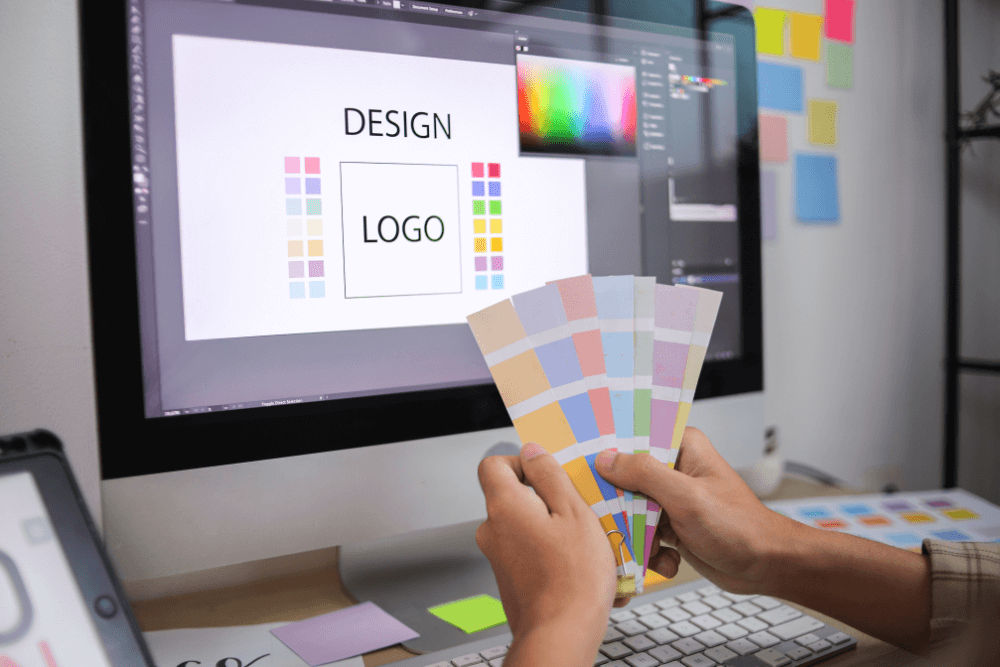
Introduction to Design Media and Creative Portfolios
Design media is an important field in modern education. It combines creativity, technology, and communication. Students use these skills to create visual content for digital and print platforms. Many learners who enjoy design, animation, digital graphics, and multimedia choose this field for their future careers.
The demand for creative professionals is growing across many industries. Businesses need designers to create content for websites, branding, advertising, and social media. These opportunities are also expanding in many it fields in Pakistan. As digital communication grows, skilled designers are becoming more valuable in the job market.
Students can improve their chances of success by building a creative portfolio. A portfolio is a collection of a student’s best work. It shows creativity, technical ability, and problem-solving skills. A strong portfolio helps students present their work in a clear and professional way. It can also help when applying for internships, design programs, or entry-level jobs.
Many students begin developing their portfolios while exploring courses after matric. Practical programs often allow learners to work on projects that show their skills. Students who choose a diploma after matric can gain hands-on experience and include their projects in their portfolio.
Students who are thinking about after matric which field is best often consider creative and technical careers. Design media is becoming a popular option for those exploring courses after matric in Pakistan. It combines creativity with technology and offers many career opportunities.
Educational institutions like CATS College Lahore encourage students to develop both practical skills and academic knowledge. Through project-based learning, students can build strong portfolios and prepare for careers in design, media, and digital industries.
Understanding Design Media as a Career Path
What is Design Media?
Design media refers to the creation of visual and digital content for communication, marketing, and entertainment. It includes areas such as graphic design, animation, digital media, and web design. These fields focus on using creativity and technology to present ideas in an engaging and visually appealing way.
Students in design media learn how to create logos, posters, websites, digital advertisements, and multimedia content. They also develop skills in visual storytelling, layout design, and user experience. These skills are valuable in many industries where visual communication plays an important role.
Creative industries are expanding rapidly around the world. Businesses rely on strong visual content to connect with audiences and build brand identity. As a result, careers in design media continue to grow, creating opportunities for students who want to work in creative and technology-driven environments.
Opportunities in Design and IT Fields in Pakistan
Design media is closely connected with many it fields in Pakistan. Modern businesses depend on digital platforms to promote their products and services. This creates a strong demand for professionals who can design websites, create digital graphics, and produce engaging online content.
Marketing agencies, technology companies, startups, and media organizations all require skilled designers. These professionals work on branding, social media campaigns, mobile applications, and website interfaces. Students who develop both creative and technical skills can find many career opportunities in these industries.
As the digital economy continues to grow, the role of designers becomes more important. Creative professionals help businesses communicate their ideas clearly and attract customers through visually appealing content.
Why Students Choose Design Media After Matric
Many students begin exploring career options after completing their matriculation. During this stage, they often research courses after matric in Pakistan to find programs that match their interests and career goals. Creative fields like design media have become popular choices because they offer practical skills and modern career opportunities.
Some students follow traditional academic pathways such as FSC, where the fsc full form in education is Faculty of Science. This route focuses more on theoretical studies and preparation for university degrees. However, many students prefer skill-based programs that allow them to gain practical experience early in their education.
For learners who are considering courses after matric or looking for answers to after matric which field is best, design media provides an exciting option. It allows students to combine creativity with technology while building practical skills that are useful in the modern job market. Institutions like CATS College Lahore support students by offering programs that help them develop these valuable skills.

Why a Creative Portfolio is Important for Students
Demonstrates Practical Skills
A creative portfolio allows students to show their practical abilities. In creative fields, employers and institutions often want to see real work instead of only academic grades. A portfolio provides clear evidence of what a student can design, create, and develop.
For example, students can include graphic designs, digital illustrations, posters, website layouts, or multimedia projects. These projects show their technical skills and creative thinking. When students apply for internships, jobs, or further studies, their portfolio helps employers understand their capabilities.
Students who explore courses after matric or complete a diploma after matric often work on practical assignments. These projects can become part of their portfolio and demonstrate their progress and creativity.
Builds Confidence and Professional Identity
Creating a portfolio helps students develop confidence in their abilities. As students complete more projects, they begin to see how their skills improve over time. This process encourages them to experiment with new ideas and creative approaches.
A portfolio also helps students build their professional identity. It allows them to present their design style and creative approach in a structured way. When students organize their work and explain their projects, they learn how to communicate their ideas clearly.
For students who are exploring it fields in Pakistan or creative industries, presenting ideas professionally is an important skill. A well-prepared portfolio helps students introduce themselves as serious and motivated learners.
Helps in Admissions and Career Opportunities
Many design and media programs require students to submit a portfolio during the admission process. Educational institutions often want to see a student’s creativity and practical work before offering admission to specialized programs.
A strong portfolio can also open doors to internships, freelance work, and entry-level jobs. Employers prefer candidates who can demonstrate real projects and practical experience. Students who begin building their portfolio early have an advantage when they apply for opportunities.
For students researching courses after matric in Pakistan or asking after matric which field is best, developing a portfolio can help them explore their interests and prepare for creative careers.
Importance of Communication Skills in Professional Life
Communication skills play an important role in creative professions. Designers must explain their ideas to clients, team members, and project managers. They often need to describe the purpose of their design and how it solves a problem.
A portfolio helps students practice this process. When students add descriptions to their projects, they learn how to explain their creative decisions. This improves the importance of communication skills in professional life and helps students become more confident in presenting their work.
In design media and many it fields in Pakistan, professionals often collaborate with marketing teams, developers, and business managers. Clear communication helps ensure that creative ideas are understood and implemented effectively. Developing these skills early can help students succeed in their future careers.

Steps to Build a Creative Portfolio as a Student
Start with Personal Projects
Students do not need professional experience to start building a portfolio. Personal projects are a great way to begin. These projects allow students to practice their creativity and develop design skills.
For example, students can design logos, social media graphics, posters, or simple website layouts. They can also redesign existing brand logos or create posters for imaginary campaigns. These activities help students experiment with ideas and improve their creativity.
Students who are taking courses after matric or completing a diploma after matric often receive assignments that involve practical design work. These tasks can also become valuable portfolio pieces.
Document Your Learning Journey
A strong portfolio should show how a student is improving over time. Students should include projects created during school, training programs, or online courses. These projects demonstrate learning progress and practical experience.
Assignments, group projects, and design exercises can all be included in a portfolio. Even small projects can show creativity and problem-solving skills. Students exploring courses after matric in Pakistan often gain valuable experience through project-based learning, which can be documented in their portfolio.
Keeping records of projects also helps students track their development and understand how their skills are evolving.
Show Variety in Your Work
A good portfolio should include different types of work. Showing variety helps demonstrate a wide range of skills and creative abilities. Students can include projects such as graphic design, user interface design, photography, illustration, or digital artwork.
This variety is important because many it fields in Pakistan require both creative and technical abilities. For example, web design combines visual design with digital tools, while digital marketing requires strong visual communication skills.
By including different types of projects, students can show that they are flexible and capable of working on various creative tasks.
Focus on Quality Instead of Quantity
Many students believe that a portfolio should contain a large number of projects. However, quality is more important than quantity. A portfolio with six to ten strong projects is often enough to make a good impression.
Each project should demonstrate creativity, clear design thinking, and attention to detail. Students should choose their best work and remove weaker projects that do not represent their abilities.
For students thinking about after matric which field is best or exploring creative careers, focusing on strong projects helps create a more professional portfolio.
Add Project Descriptions
Project descriptions are an important part of a portfolio. They help viewers understand the purpose of the design and the thinking behind it. Students should explain what problem they wanted to solve and how they developed their design.
For example, a student might describe the goal of a logo design, the target audience, and the design choices used to communicate the brand message. These explanations show the student’s creative process and problem-solving ability.
Writing clear descriptions also helps improve the importance of communication skills in professional life. Designers often need to explain their ideas to clients and team members. Learning to describe projects clearly can help students succeed in creative careers.
Best Tools and Platforms for Student Portfolios
Online Portfolio Platforms
Students can use many online platforms to create and share their creative portfolios. These platforms help designers display their work in a professional and organized way. Some popular options include Behance, Dribbble, and personal portfolio websites.
Behance allows students to upload projects and explain their design process. It also connects them with a global community of creative professionals. Dribbble is another platform where designers share visual work such as logos, illustrations, and interface designs. These platforms help students gain exposure and receive feedback from other designers.
Using online portfolio platforms also helps students learn how to present their work professionally. Many students who explore courses after matric in Pakistan or pursue a diploma after matric use these platforms to showcase their projects and build their creative identity.
Social Media for Creative Exposure
Social media platforms can also help students share their creative work with a larger audience. Instagram is widely used by designers to post visual projects such as digital illustrations, posters, and branding designs. By regularly sharing their work, students can build a strong online presence.
LinkedIn is another important platform for professional networking. Students can share their portfolio projects, connect with professionals, and follow companies in creative and technology industries. This can help them discover internships and job opportunities in different it fields in Pakistan.
Using social media wisely allows students to build visibility and demonstrate their creative skills to potential employers and collaborators.
Creating a Simple Personal Portfolio Website
A personal portfolio website is one of the most effective ways to present creative work. It gives students complete control over how their projects are displayed. A website can include design projects, project descriptions, contact information, and even a short personal introduction.
Having a personal website also shows professionalism and digital awareness. Many employers prefer to see a portfolio website because it is easy to navigate and view projects in detail.
For students exploring courses after matric or thinking about after matric which field is best, building a simple portfolio website can be a valuable step. It strengthens their digital presence and helps them stand out in creative industries where online visibility is very important.
Skills Every Design Media Student Should Develop
Creative Thinking and Problem Solving
Creative thinking is one of the most important skills for design media students. Designers must generate new ideas and find creative ways to communicate messages through visuals. This process often involves understanding a problem and creating a design that solves it effectively.
For example, a designer may need to create a logo that represents a brand’s identity or design a poster that attracts attention. In both cases, the designer must think creatively and consider the target audience, colors, layout, and overall message.
Students who practice creative thinking through projects and assignments improve their ability to develop original ideas. This skill is valuable in many creative careers and across various it fields in Pakistan where innovation and visual communication play an important role.
Technical Skills in Design Software
Along with creativity, design media students must develop strong technical skills. Modern design work relies on professional software tools that help designers create digital graphics, illustrations, and multimedia content.
Popular tools include Adobe Photoshop, Adobe Illustrator, and Adobe InDesign. These programs are widely used for graphic design, branding, and digital artwork. Students who are interested in web design may also learn tools related to user interface design and website development.
Learning these tools allows students to turn their creative ideas into professional designs. Many students gain these technical skills through courses after matric or a diploma after matric that focuses on practical training and digital design.
As technology continues to advance, the demand for skilled designers with technical expertise is increasing in many it fields in Pakistan.
Communication and Presentation Skills
Communication skills are essential for success in creative careers. Designers often work with clients, marketing teams, and developers. They must explain their ideas clearly and present their designs in a professional way.
When designers present a project, they usually explain the concept, design choices, and the problem the design solves. This process requires confidence and clear communication. Strong presentation skills help designers convince clients and team members about the value of their work.
This highlights the importance of communication skills in professional life. Students who develop these skills early can collaborate more effectively and present their ideas with confidence. These abilities not only support success in design media but also benefit students in many other professional fields.
Choosing the Right Education Path for Design Media
Best Courses After Matric in Pakistan for Creative Students
After matriculation, students have multiple options to pursue a career in creative fields. For those interested in design media, diploma after matric programs are an excellent choice. These programs focus on practical skills, allowing students to work on real projects and build their portfolios from the start.
Technical and creative diplomas cover areas like graphic design, animation, web design, digital media, and multimedia production. By enrolling in these programs, students gain hands-on experience that is highly valued by employers and higher education institutions. Courses after matric in Pakistan provide a structured pathway for students to develop creativity, technical skills, and professional competence simultaneously.
FSC vs Creative and Technical Programs
Many students also consider traditional academic paths such as FSC. The fsc full form in education is Faculty of Science. FSC programs focus on theoretical knowledge in subjects like physics, chemistry, and biology, which prepare students for university degrees in science-related fields.
While FSC offers a strong academic foundation, creative and technical programs provide practical learning and skill development. Students interested in design media often benefit more from programs that emphasize project-based learning, portfolio building, and digital skills. Comparing the two pathways helps students choose between a conventional academic route and a career-focused creative path.
After Matric Which Field is Best for Creative Students
For students exploring after matric which field is best, creative programs in design media offer many advantages. These programs help learners develop technical abilities, artistic skills, and real-world experience. By focusing on design, animation, and digital media, students can build a strong portfolio and prepare for careers in marketing, media, advertising, IT, and digital industries.
Choosing a field that aligns with personal interests and future career goals ensures long-term satisfaction and success. Programs that combine creativity with technology are ideal for students who want to work in dynamic, innovative industries.
After Matric Which Field is Best for Girl Students
Creative and technical programs are also excellent options for female students. Encouraging female participation in design media and technology can help bridge gender gaps in professional industries. Many girls excel in graphic design, UI/UX design, digital media, and animation because these fields allow them to combine creativity with technical skills.
Institutions like CATS College Lahore provide a supportive environment for female students, offering mentorship, practical training, and opportunities to build portfolios. By choosing creative courses after matric, girls can develop the skills needed to thrive in modern professional careers while contributing to the growing creative economy.
How CATS College Lahore Helps Students Build Creative Careers
Industry-Focused Technical Programs
CATS College Lahore offers a variety of industry-focused technical programs designed to prepare students for careers in design media, IT, and creative fields. Students can explore courses after matric and diploma after matric programs that focus on practical skills such as graphic design, animation, web development, and digital media production. These programs combine creative learning with technical training, giving students the knowledge they need to succeed in modern industries.
Experienced Faculty and Mentorship
The faculty at CATS College Lahore consists of experienced professionals who provide mentorship and guidance to students. Teachers help students understand complex concepts, improve their technical skills, and refine their creative abilities. Personalized mentorship ensures that each student receives support while building their portfolio and exploring career options in IT fields in Pakistan and creative industries.
Practical Learning and Portfolio Development
At CATS College Lahore, students gain hands-on experience through project-based learning. Assignments and real-world projects allow learners to apply their knowledge while developing a professional portfolio. Whether students are pursuing a diploma after matric or other creative programs, they have opportunities to showcase their work, experiment with new ideas, and document their progress. This practical approach helps students stand out when applying for higher education or entering the job market.
Career Guidance and Skill Development
CATS College Lahore also focuses on career guidance and skill development. Students learn essential professional skills, including the importance of communication skills in professional life, teamwork, and problem-solving. Career counseling and workshops help students identify their strengths, explore career paths, and make informed decisions about after matric which field is best.
By combining courses after matric, diploma after matric, and creative and IT skills programs, CATS College Lahore ensures that students are well-prepared for careers in design media, digital industries, and technology-driven creative fields. The college’s holistic approach helps students build strong portfolios, gain practical experience, and achieve long-term professional success.
Tips to Make Your Portfolio Stand Out
Building a portfolio is only the first step; making it impressive and memorable is what sets students apart. Here are some key tips for students to ensure their portfolio stands out in competitive creative industries.
Keep Designs Clean and Professional
A portfolio should focus on quality and clarity. Students should use clean layouts, consistent fonts, and organized visuals. Avoid clutter and unnecessary elements, as simplicity often communicates professionalism and attention to detail. Employers and educational institutions appreciate portfolios that are easy to navigate and visually appealing.
Tell the Story Behind Each Project
Each project in the portfolio should include a brief explanation. Describe the goal of the project, the challenges faced, and the creative solutions applied. Telling the story behind the work demonstrates problem-solving skills and gives context to the student’s creative process. This approach also highlights the importance of communication skills in professional life.
Update Portfolio Regularly
A portfolio is a living document. Students should update it with new projects, improved designs, and skills gained over time. Regular updates show growth, adaptability, and continuous learning, which are important traits for success in creative and IT fields in Pakistan.
Include Teamwork and Collaboration Projects
Many real-world projects involve teamwork. Including collaborative projects in the portfolio shows that a student can work effectively with others, manage tasks, and contribute to group goals. Highlighting these experiences helps demonstrate both technical and interpersonal skills, making the portfolio more attractive to employers and admission committees.
By following these tips, students can ensure their portfolio not only showcases their skills but also reflects professionalism, creativity, and readiness for careers in design media, digital industries, and technology-driven creative fields.
Frequently Asked Questions (FAQs)
A creative portfolio is a collection of a student’s best work in design media. It showcases skills in graphic design, digital media, animation, and other creative areas. Portfolios help students demonstrate practical abilities and stand out to employers or educational institutions.
Starting early allows students to document their learning journey, improve their skills over time, and gain confidence in presenting work. Early portfolios also help students when applying for courses after matric, diploma after matric programs, or internships in creative and IT fields in Pakistan.
Students can explore diploma after matric programs and technical or creative courses. These programs focus on hands-on learning, portfolio development, and practical skills in graphic design, animation, web design, and digital media.
CATS College Lahore offers project-based learning, industry-focused programs, and mentorship from experienced faculty. Students gain practical experience, develop creative and IT skills, and create professional portfolios that enhance career opportunities.
Portfolios should highlight creativity, technical skills with design software (such as Adobe tools and web design platforms), communication, problem-solving, and collaboration. Including project descriptions and teamwork examples strengthens the portfolio for admissions and job applications.
Conclusion: Turning Creativity into a Career
Building a strong creative portfolio is an essential step for students who want to pursue a career in design media. Portfolios showcase practical skills, creativity, and problem-solving abilities, helping students stand out in competitive industries. They also provide evidence of learning, growth, and professional potential, making them valuable for admissions, internships, and job opportunities.
For students exploring courses after matric or diploma after matric programs, design media offers a dynamic and future-focused career path. By developing technical skills, creativity, and communication abilities, learners can create impressive portfolios that open doors to opportunities in IT fields in Pakistan, digital industries, and creative professions.
CATS College Lahore encourages students to explore these creative opportunities, gain hands-on experience, and build strong portfolios. Starting early and staying consistent with projects, students can turn their passion for design into a successful and rewarding career.
Call-to-Action: Start Your Creative Journey with CATS College Lahore
Are you ready to turn your creativity into a successful career? CATS College Lahore offers a wide range of programs, including courses after matric, diploma after matric, and professional diplomas that focus on design media, digital skills, and IT fields in Pakistan.
Explore programs that help you develop technical expertise, creative abilities, and practical experience while building a strong portfolio. Our experienced faculty and industry-focused approach ensure that you gain the skills needed to excel in creative and technology-driven careers.
Contact CATS College Lahore today to learn more about admissions, program details, and how you can start your journey toward a rewarding career in design media and digital industries. Don’t wait—your creative future begins here!