Introduction – The Rise of AI in Pakistan’s Education System
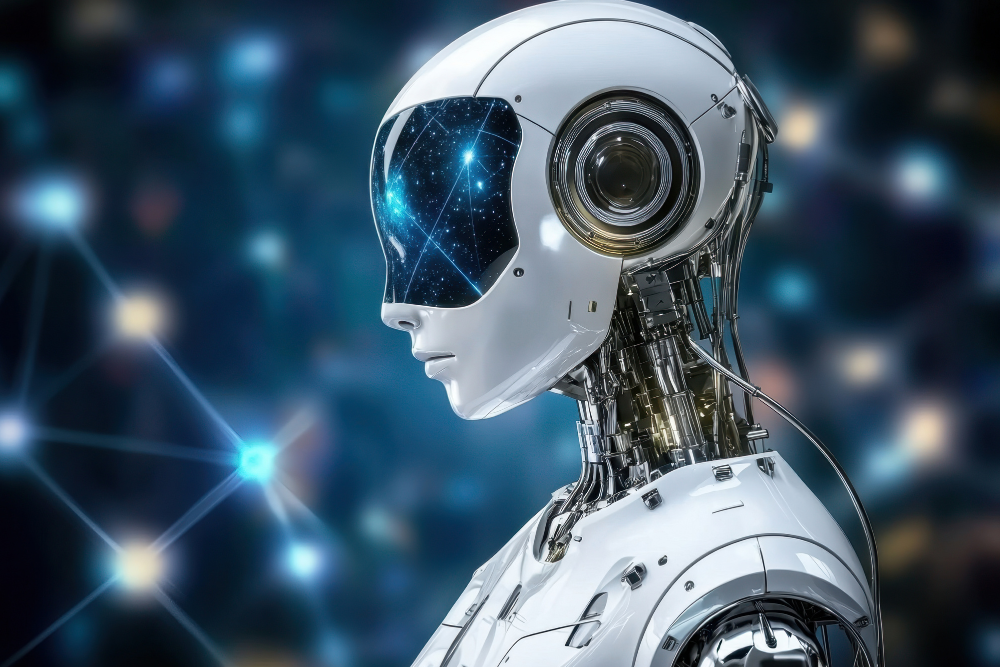
Artificial Intelligence (AI) is rapidly transforming the global education landscape, making learning more efficient, personalized, and accessible. From AI-powered assessment tools to smart learning platforms, educational institutions worldwide are embracing digital advancements to enhance both teaching and student performance. This shift toward intelligent learning systems has already redefined the future of classrooms across Europe, the Middle East, and Asia.
Pakistan is also entering a new era of educational digitalization. With growing investments in EdTech, online learning platforms, and modern classroom technologies, the country is steadily moving toward AI-integrated education. Schools, colleges, and universities are increasingly adopting adaptive learning tools, virtual simulations, automated grading systems, and smart classroom solutions to support innovative learning.
At CATS College Lahore, this transformation is happening faster and more effectively. The institution is committed to integrating AI into its teaching practices, learning resources, and academic programs. Through modern classrooms, data-driven teaching methodologies, and industry-relevant diploma and degree programs, CATS College prepares students for an academic journey shaped by intelligence, innovation, and future-ready skills.
What is Artificial Intelligence in Education?
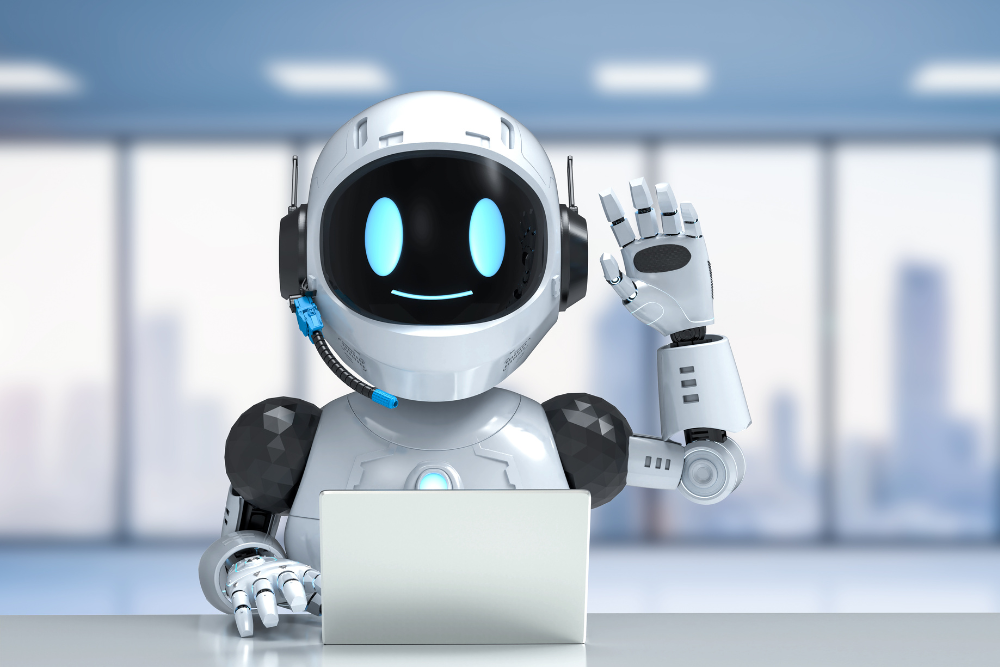
Artificial Intelligence (AI) in education refers to the use of intelligent systems, algorithms, and data-driven tools that enhance the teaching and learning experience. Instead of relying only on traditional classroom methods, AI helps teachers understand student performance, automate tasks, and deliver personalized learning experiences. Globally, AI-powered education is improving learning efficiency, accessibility, and student outcomes.
Understanding AI in Simple Terms
In simple words, AI is a computer’s ability to learn, analyze information, and make decisions similar to humans. In education, AI can identify where students struggle, recommend learning materials, assess performance automatically, and assist teachers with data-driven insights. This allows both students and educators to focus more on understanding concepts rather than spending time on repetitive tasks.
Core AI Technologies Used in Modern Classrooms
Machine Learning (ML)
Machine learning enables systems to learn from student data and improve recommendations over time. It identifies performance patterns, highlights weak areas, and helps teachers make informed decisions to support student success.
Adaptive Learning Systems
Adaptive learning platforms adjust lessons according to each student’s skill level, speed, and learning style. They create personalized learning paths, customized quizzes, and targeted revisions for more effective learning.
Natural Language Processing (NLP)
NLP helps computers understand and interpret human language. In education, it powers chatbots, language-learning apps, voice commands, and automated text analysis, making information more accessible and interactive.
Predictive Analytics
Predictive analytics uses student data to forecast academic performance and identify learners who may need extra support. It helps teachers act early, plan interventions, and improve overall learning outcomes.
How AI is Transforming Classrooms in Pakistan
AI is reshaping how teachers teach and how students learn across Pakistan. From personalized learning platforms to automated assessment tools, AI is helping schools and colleges create smarter, more efficient, and student-centered learning environments. Many institutions are already adopting AI-based systems to improve academic performance, reduce administrative workload, and enhance the overall classroom experience.
Personalized Learning Based on Student Performance
AI helps deliver customized learning experiences tailored to each student’s strengths and weaknesses. Instead of using the same teaching method for every learner, AI analyzes student performance, identifies weak concepts, and suggests personalized exercises or lessons. This ensures that students progress at their own pace, making learning more effective and inclusive for diverse classrooms across Pakistan.
AI-Powered Assessment and Grading Systems
AI-based assessment tools automate tasks such as quiz marking, test evaluation, and assignment grading. These systems provide fast, accurate results while reducing the burden on teachers. AI can also detect patterns in student errors, offer instant feedback, and highlight improvement areas. This not only saves time but also ensures fair, unbiased grading for all students.
Smart Content Creation & Interactive Learning Tools
AI helps teachers generate high-quality learning materials such as summaries, quizzes, presentations, and study guides. Interactive tools like AI-generated simulations, digital flashcards, and smart animations make lessons more engaging. These resources support blended and modern teaching methods, helping students understand complex topics more easily through visuals and interactive activities.
Virtual Labs and Simulations for Practical Learning
AI-powered virtual labs allow students to perform experiments and practice skills digitally without requiring physical lab equipment. These simulations are especially useful for science, engineering, and technical diploma programs. Students can explore real-world scenarios, practice safely, and repeat experiments as many times as needed. This makes practical learning more accessible, affordable, and efficient for institutions across Pakistan.
Impact of AI on Teachers and Teaching Methodology
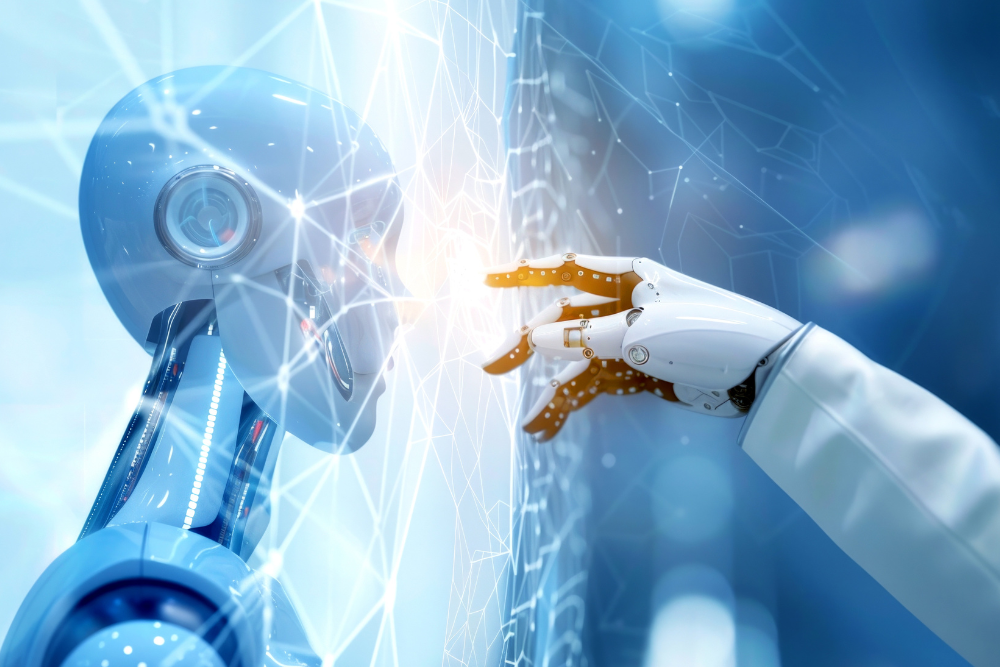
AI is not only transforming student learning but also significantly improving teaching methods in Pakistan. By integrating intelligent tools, teachers can focus more on instruction, mentoring, and creative lesson planning rather than routine administrative tasks. The result is a more productive, data-informed, and engaging classroom environment.
Reduced Administrative Workload
AI automates repetitive tasks such as attendance tracking, grading assignments, and scheduling. This reduces teachers’ administrative burden, giving them more time to plan lessons, interact with students, and provide personalized guidance. Automation allows educators to spend energy on teaching rather than paperwork, improving overall classroom efficiency.
Improved Classroom Management
AI tools help teachers monitor student behavior, participation, and progress in real time. Smart dashboards and analytics track engagement levels, detect learning gaps, and highlight students who may need extra support. This ensures smoother classroom management and helps maintain a focused and productive learning environment.
Data-Driven Teaching Decisions
AI provides teachers with actionable insights based on student performance data. By analyzing trends, progress reports, and assessment results, educators can design lessons that target problem areas, adapt teaching strategies, and optimize learning outcomes. Data-driven decisions lead to more effective teaching and measurable academic improvements.
Enhanced Student Engagement Techniques
AI-powered learning platforms offer interactive tools, gamified content, and adaptive exercises that keep students engaged. Teachers can use these tools to make lessons more dynamic and personalized, fostering curiosity and motivation. Engaged students are more likely to participate actively, retain knowledge, and develop critical thinking skills.
How AI is Improving Student Performance
Real-Time Feedback and Progress Tracking
AI is significantly enhancing student performance by offering tools and systems that provide immediate insights and personalized learning experiences. With real-time feedback, students can understand their strengths and weaknesses as they progress through lessons and assessments. Instant feedback allows learners to correct mistakes quickly, build confidence, and stay motivated throughout their educational journey.
Adaptive Learning Platforms for Weak Areas
Adaptive learning platforms go a step further by analyzing each student’s performance data to identify weak areas. These systems create customized learning paths, suggest targeted exercises, and adjust the difficulty of content according to the learner’s pace. This personalized approach ensures that students receive the support they need to master challenging concepts and improve academic outcomes efficiently.
Increased Access to Quality Education for All
Moreover, AI is increasing access to quality education for all students, regardless of location or background. Online platforms, virtual classrooms, and AI-driven resources provide learning opportunities to students in remote areas or those who cannot attend traditional schools. By bridging gaps in access and offering tailored educational experiences, AI is helping to create a more inclusive and equitable education system in Pakistan.
AI in Pakistan’s Education Sector – Current Trends
Artificial Intelligence is gradually transforming Pakistan’s education sector, from school classrooms to higher education institutions. Schools, colleges, universities, and technical institutes are increasingly adopting AI tools to improve learning efficiency, provide personalized education, and prepare students for modern careers. Both government initiatives and private institutions are playing an important role in this digital shift. “CATS College Lahore combines AI-driven tools with modern teaching methodology, ensuring students learn in an interactive, practical, and personalized environment.
Adoption in Schools (BISE Level)
AI is slowly being introduced in schools under the Board of Intermediate & Secondary Education (BISE) system. Many schools are using AI-powered learning platforms, digital assessment tools, and analytics to monitor student progress. These technologies allow teachers to tailor lessons, track performance trends, and provide immediate feedback, making classrooms more efficient and student-focused.
Use of AI in Technical and Professional Diplomas
Technical institutes and professional diploma programs are leveraging AI to enhance practical learning. AI-powered simulations, virtual labs, and adaptive learning platforms allow students to practice and refine skills in a controlled environment. This approach improves hands-on expertise and prepares learners for real-world challenges, especially in IT, engineering, and digital technologies.
AI Integration in BS Degree Programs
Universities offering BS degree programs in Pakistan are incorporating AI into their curricula across multiple disciplines, from computer science and data analytics to business and management. AI tools assist students with research, project work, and predictive modeling, while faculty can design courses based on data insights. This integration ensures graduates are equipped with relevant skills for today’s competitive job market.
Role of Government, EdTech & Private Institutions
Government agencies, EdTech startups, and private educational institutions are driving AI adoption in Pakistan. Initiatives include developing AI-enabled learning platforms, investing in digital infrastructure, and training teachers in modern technologies. Collaboration between public and private sectors is accelerating the integration of AI, making education more accessible, efficient, and future-ready. The college’s highly trained faculty leverage AI platforms and analytics to guide students effectively, providing industry-relevant knowledge and hands-on experience.
Challenges of AI Adoption in Pakistan
While AI offers immense potential to transform education, its adoption in Pakistan faces several challenges. Limitations in infrastructure, financial constraints, and a lack of trained educators make it difficult for many institutions to fully integrate AI into their teaching practices. Additionally, concerns around data privacy and security need careful attention to ensure safe use of AI in classrooms.
Limited Digital Infrastructure
Many schools and colleges in Pakistan lack the necessary digital infrastructure, such as high-speed internet, modern computers, and smart classroom equipment. Without these tools, implementing AI-based learning platforms becomes difficult, especially in rural or underfunded areas. Building robust infrastructure is a crucial first step for wider AI adoption.
High Cost of AI Tools
AI-powered software, virtual labs, and adaptive learning systems often come with high costs that smaller institutions cannot afford. Licensing fees, maintenance, and technical support add to the financial burden. These expenses limit the accessibility of advanced AI tools to well-funded schools and universities.
Lack of Teacher Training
Many educators in Pakistan are not yet trained to use AI tools effectively. Without proper training, teachers cannot fully leverage AI to personalize learning, automate tasks, or analyze data insights. Continuous professional development programs are essential to empower teachers for AI-integrated classrooms.
Data Privacy & Security Concerns
AI systems collect and analyze large amounts of student data, raising concerns about privacy and cybersecurity. Without strict regulations and secure platforms, sensitive information may be at risk. Protecting student data is critical to building trust and ensuring responsible AI use in education.
The Future of AI in Education in Pakistan
The future of education in Pakistan is poised to be heavily influenced by Artificial Intelligence. As technology continues to advance, AI will play a pivotal role in creating smarter classrooms, personalized learning experiences, and more efficient educational systems. Institutions that adopt AI early will better prepare students for modern careers and a rapidly evolving global job market.
Transition Toward Hybrid and Smart Classrooms
AI will accelerate the shift toward hybrid learning models that combine traditional in-person teaching with digital tools. Smart classrooms equipped with AI-powered devices, virtual labs, and interactive learning platforms will allow teachers to deliver personalized lessons while monitoring student engagement. This approach enhances learning flexibility and ensures students can access quality education anytime, anywhere.
AI-Driven Career Counseling & Academic Planning
AI systems will help students make informed academic and career decisions by analyzing their strengths, interests, and performance data. Intelligent career counseling tools can suggest suitable courses, diploma programs, or degree paths, guiding students toward professions that match their skills. This will empower learners to plan their education strategically and pursue career-ready opportunities.
Expansion of E-learning & Virtual Schools
The rise of AI will fuel the growth of e-learning platforms and virtual schools in Pakistan. AI-powered digital classrooms can simulate real-world scenarios, provide adaptive learning, and make quality education accessible to students in remote areas. This expansion will bridge gaps in educational access, promote inclusivity, and support lifelong learning for students across the country.
Why CATS College Lahore is Leading AI-Integrated Education
CATS College Lahore is at the forefront of AI-integrated education in Pakistan, combining modern technology with quality teaching to prepare students for future-ready careers. By adopting AI tools and data-driven teaching methods, the college ensures students receive personalized learning experiences and gain skills that are highly relevant in today’s competitive world.
Modern Teaching Methodology
CATS College implements advanced teaching methodologies that blend classroom instruction with AI-powered tools. Interactive digital content, adaptive learning platforms, and smart assessments enhance student engagement and comprehension. This modern approach ensures that learning is not only efficient but also aligned with the latest global educational standards.
Skilled Faculty Trained in AI Tools
The faculty at CATS College Lahore is trained in using AI-based teaching and learning systems. Educators leverage analytics, virtual labs, and personalized learning platforms to monitor student progress, provide tailored guidance, and optimize learning outcomes. Skilled faculty ensures that AI is effectively integrated into every aspect of the academic experience.
AI-Supported Programs: BISE, Technical Diplomas, BS Degrees
The college offers a variety of programs supported by AI, including BISE-level courses, technical and professional diplomas, and BS degree programs. AI tools enhance practical learning, provide adaptive resources, and enable efficient performance tracking. Students benefit from technology-driven education while completing programs that meet industry standards.
Preparing Students for Future-Ready Careers
By combining AI-driven learning with hands-on practical experience, CATS College prepares students for careers in technology, business, and emerging industries. Graduates gain critical thinking, problem-solving, and digital skills that are in high demand, ensuring they are ready to succeed in Pakistan’s evolving job market and beyond. Students interested in exploring AI-integrated programs can visit our Admissions page to apply for BISE, technical diplomas, or BS degree programs at CATS College Lahore.
Conclusion
Artificial Intelligence is reshaping education in Pakistan by making learning more personalized, efficient, and accessible. From AI-powered classrooms to adaptive learning platforms, students are now able to receive instant feedback, targeted support, and practical experiences that were previously difficult to achieve.
Adopting AI early is crucial for both students and institutions. Early integration helps learners build future-ready skills, ensures teachers can leverage modern teaching tools, and allows schools and colleges to stay competitive in an increasingly digital world.
Institutions like CATS College Lahore play a vital role in this transformation. By combining AI-enabled teaching methodologies, skilled faculty, and modern programs such as BISE courses, technical diplomas, and BS degrees, CATS College ensures that students are prepared to excel academically and professionally in a technology-driven era.
Answer: AI is gradually transforming education in Pakistan by helping schools, colleges, and universities deliver personalized learning experiences. It automates tasks like grading and attendance while analyzing student performance data. This allows teachers to focus more on teaching and mentoring, making classrooms more interactive and tailored to each student’s needs.
Answer: AI enhances student learning by offering real-time feedback, adaptive exercises, and virtual simulations that adjust to each learner’s progress. Students struggling with certain topics can receive targeted practice, while advanced learners can explore more challenging material. As a result, students gain confidence, track their improvement, and achieve better academic outcomes.
Answer: AI adoption in Pakistan faces challenges such as limited digital infrastructure, high costs of AI tools, and a shortage of trained educators. Rural schools often lack reliable internet or modern devices to use AI platforms effectively. Additionally, data privacy and cybersecurity concerns must be addressed to ensure safe and responsible use of AI in education.
CATS College Lahore leads AI-driven education, combining BISE, diplomas, and BS programs with AI-powered tools, skilled faculty, and practical learning to prepare students for future careers.