Introduction to a Career in Graphic Design
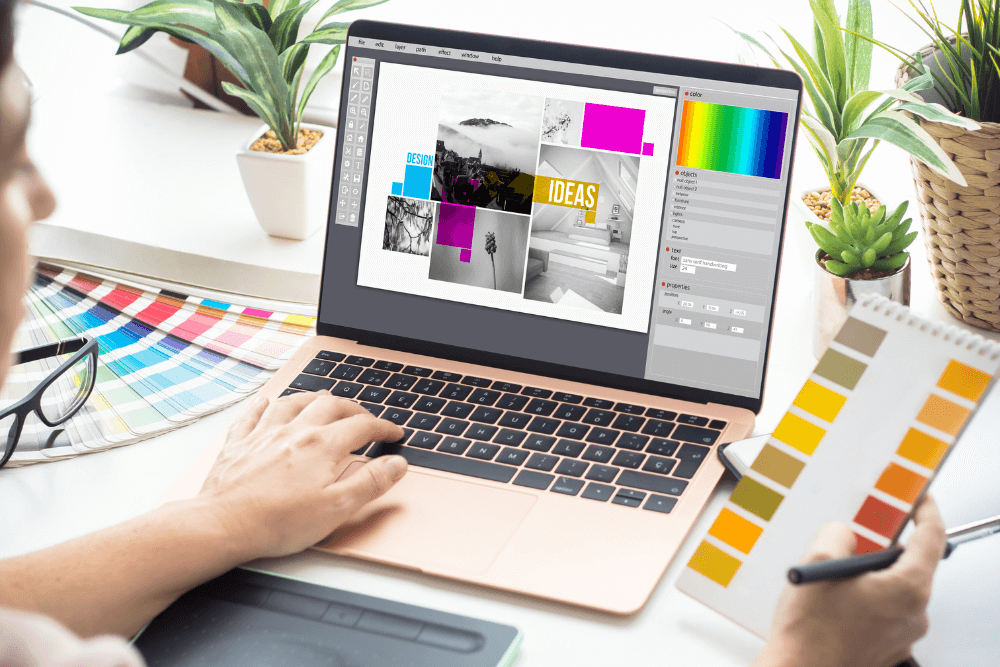
Graphic design is the art and science of communicating ideas visually. It blends creativity, technology, and problem-solving to create meaningful designs—such as logos, brand identities, social media posts, website layouts, brochures, and product packaging. In today’s world, almost every business relies on appealing visuals to attract customers, which makes graphic design an essential part of modern communication.
One of the biggest reasons graphic design has become a fast-growing field is the rapid shift toward digital media. Companies worldwide are investing heavily in digital marketing, e-commerce, social platforms, and online branding—all of which require skilled designers. With constant demand for fresh visual content, graphic designers enjoy strong career stability and endless opportunities for creativity.
In Pakistan, the industry is expanding at an impressive pace. Businesses in Lahore, Karachi, and Islamabad are continuously hiring designers for advertising, social media management, branding, and UI/UX design. Freelancing platforms such as Upwork, Fiverr, and Behance have also opened global earning opportunities for Pakistani designers. As a result, graphic design has become one of the most promising and accessible careers for students, beginners, and professionals looking to enter the creative industry.
Understanding the Role of a Graphic Designer
Graphic designers are responsible for shaping how brands and businesses communicate visually. Their work influences customer perception, strengthens brand identity, and enhances marketing efforts across digital and print platforms. Understanding what a graphic designer does, where they work, and the job roles available helps beginners choose the right direction in this creative field.
Key responsibilities
Graphic designers handle a variety of creative and technical tasks, including:
- Creating visual concepts for branding and marketing projects
- Designing logos, posters, brochures, social media posts, and website graphics
- Choosing colors, typography, and layout structures that follow brand guidelines
- Using professional tools such as Adobe Photoshop, Illustrator, InDesign, Figma, and Canva
- Working closely with clients, marketing teams, developers, and content creators
- Preparing design files for print and digital use
- Staying updated with design trends and industry standards
These responsibilities help ensure that businesses communicate their message clearly, creatively, and consistently.
Industries where graphic designers work
Graphic designers can work almost anywhere because every industry needs visual communication. Common sectors include:
- Advertising and creative agencies
- Digital marketing firms
- IT companies and software houses
- E-commerce brands and online stores
- Print and publishing houses
- Media channels and production studios
- Educational institutions
- Corporate branding and communication teams
- Freelancing platforms such as Upwork, Fiverr, and Behance
This career offers flexible options, including remote work, freelance projects, and full-time job roles.
Popular job roles
Graphic design is a diverse field with multiple career paths. Some of the most in-demand roles include:
Graphic Designer
Creates marketing visuals, branding materials, digital assets, and print designs.
UI Designer
Designs website and mobile app interfaces with a focus on layout, navigation, and user experience.
Brand Designer
Develops complete brand identities including logos, colors, fonts, and brand guidelines.
Visual Content Creator
Produces social media graphics, thumbnails, animations, and digital content for online engagement.
Other related roles include illustrator, layout artist, motion graphics designer, marketing designer, and digital branding specialist.
Essential Skills Needed to Become a Graphic Designer
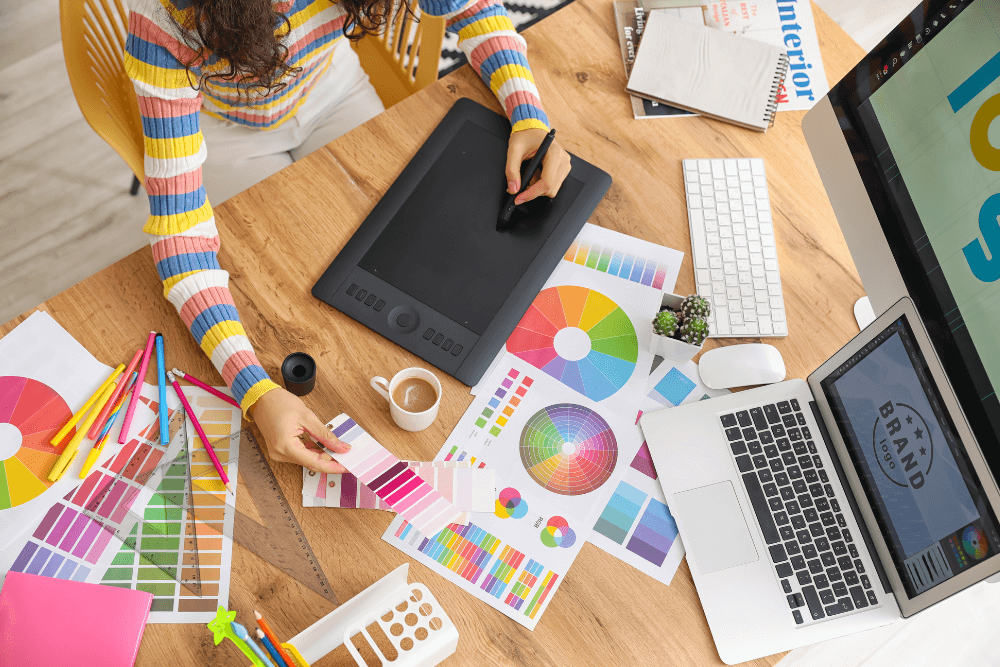
To build a successful career in graphic design, learners must develop a combination of creativity, technical expertise, and strong interpersonal skills. These abilities work together to help designers transform ideas into meaningful visual concepts that attract, inform, and engage audiences.
Creative and artistic ability
Creativity is at the heart of graphic design. Designers must be able to think visually and transform concepts into appealing graphics. This includes understanding color theory, typography, shapes, balance, contrast, and visual hierarchy. Artistic ability also involves exploring new ideas, experimenting with styles, and developing a unique creative approach that makes your work stand out. Even beginners who are not naturally artistic can improve with consistent practice, sketching, brainstorming, and exposure to good design.
Technical skills (Adobe Photoshop, Illustrator, Figma, Canva)
Graphic designers rely on industry-standard tools to turn their ideas into polished visuals. Some essential software includes:
- Adobe Photoshop for photo editing, digital art, and social media graphics
- Adobe Illustrator for logo design, vector graphics, and illustrations
- Figma for UI design, prototyping, and collaborative design projects
- Canva for quick, template-based designs and beginner-level work
Learning these tools helps designers work efficiently, meet professional standards, and bring greater creativity to their projects. As the design industry evolves, staying updated with new tools and features is equally important.
Soft skills (communication, time management, problem solving)
Beyond creativity and technical knowledge, soft skills play a major role in a designer’s success. Effective communication helps designers understand client needs, present ideas confidently, and collaborate with teams. Time management ensures that projects are delivered on schedule, especially when handling multiple tasks at once. Problem-solving skills allow designers to make strategic decisions, overcome creative challenges, and find visual solutions that meet project goals. These soft skills are essential for both freelance work and full-time positions in the design industry.
Best Courses to Start Your Graphic Design Career
Choosing the right course is an important first step in building a successful graphic design career. Whether you’re a complete beginner or someone who wants to improve existing skills, the right training program helps you learn the fundamentals, practice real projects, and build a professional portfolio that employers value. Below are the most effective course options for starting your journey.
Professional diploma programs
Professional diploma programs are ideal for students who want structured, in-depth training. These programs usually cover design principles, software mastery, branding, UI basics, and portfolio development. A diploma also helps students stand out in the job market, as it demonstrates formal training and hands-on experience. Most institutes offer certificates that are recognized by the industry, which adds credibility to your profile and boosts career opportunities.
Short courses for beginners
Short courses are perfect for individuals who want to explore graphic design before committing to a full diploma. These courses focus on essential tools such as Photoshop, Illustrator, and Canva, along with basic design principles. They often include quick assignments and practice sessions to help beginners understand how design is used in real-world projects. Short courses are also suitable for students, freelancers, and professionals looking to enhance their digital skills.
Why choose CATS College Lahore for Graphic Design courses
CATS College Lahore is one of the leading educational institutes offering high-quality graphic design training. Students benefit from experienced instructors, modern labs, and a project-based learning environment that prepares them for real-world careers. The college also provides multiple pathways depending on your academic level and career goals.
Students who want to explore broader career options can also consider:
- Technical Programs: https://cats.edu.pk/technical-programs/
- BISE Programs for foundational learning: https://cats.edu.pk/bise-programs/
- Teaching Methodology to understand the hands-on, interactive learning approach: https://cats.edu.pk/teaching-methodology/
- Our Faculty, featuring highly skilled and experienced instructors: https://cats.edu.pk/our-faculty/
With industry-focused training and a supportive learning environment, CATS College Lahore gives students the skills and confidence needed to begin a successful career in graphic design.
Step-by-Step Guide to Starting a Career in Graphic Design
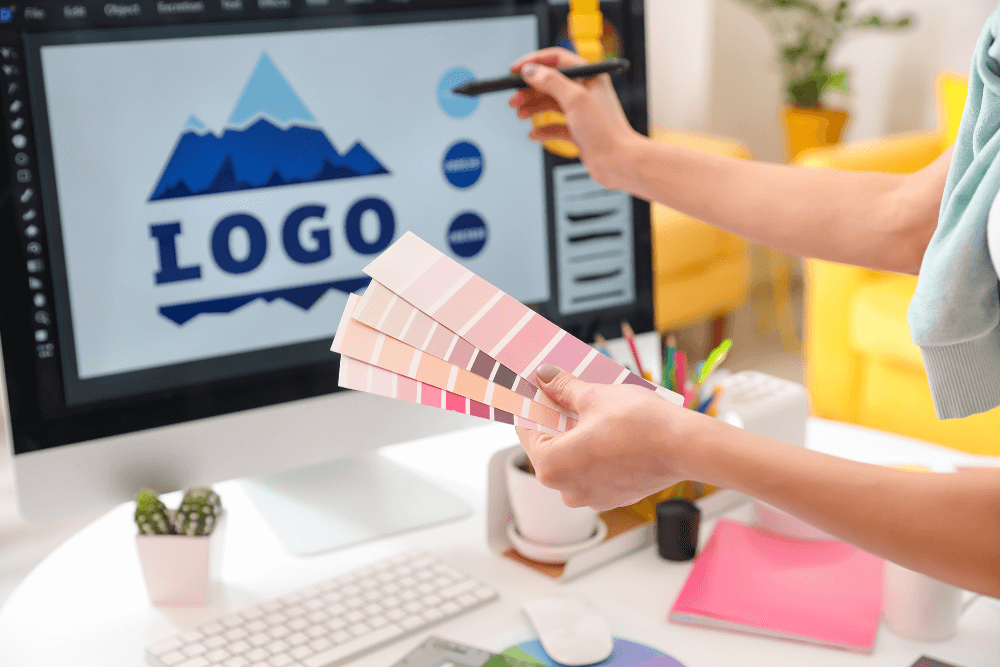
Starting a career in graphic design requires the right blend of learning, practice, and real-world experience. Whether you want to work as a freelancer, join an agency, or secure a full-time job, following a clear roadmap helps you grow faster and build a strong professional identity.
Step 1 – Learn the fundamentals
Before diving into software tools, it’s important to learn the basics of design. This includes understanding color theory, typography, grids, spacing, composition, and visual hierarchy. These fundamentals guide every design decision you make. Beginners who focus on these basics early on develop sharper creative instincts, better design judgment, and stronger overall skills.
Step 2 – Choose the right design tools
Once you know the basics, start learning industry-standard design tools. A beginner-friendly path includes software such as Adobe Photoshop, Adobe Illustrator, Figma, and Canva. Each tool serves a different purpose—from editing images to designing logos or creating digital layouts. Mastering these tools allows you to deliver high-quality visuals that meet the expectations of clients and employers.
Step 3 – Build your portfolio
A portfolio is one of the most important elements of your career. It highlights your best work and shows your growth as a designer. Include projects like logo designs, posters, social media posts, UI mockups, and branding samples. Even if you don’t have client projects yet, you can create practice designs, redesign existing brands, or complete assignments from your courses. A strong portfolio makes a powerful first impression.
Step 4 – Take on freelance or internship opportunities
Real-world experience helps you refine your skills and understand how the industry works. Freelancing platforms and internships allow you to work with actual clients, manage timelines, communicate professionally, and handle creative feedback. These experiences not only strengthen your portfolio but also help you build confidence and professional discipline.
Step 5 – Specialize in a niche (branding, UI/UX, print, digital marketing)
As you grow, specialize in a specific area that matches your interests. Popular niches include branding, UI/UX design, social media design, motion graphics, print media, and packaging. Specialization gives you a competitive advantage, increases your market value, and allows you to deliver expert-level work in a focused domain.
Step 6 – Apply for jobs and continue learning
Once you have a portfolio and experience, you can start applying for full-time or part-time design roles. Graphic design is an evolving field, so continuous learning is essential. Stay updated with new tools, design trends, and market demands. Consistent learning helps you grow professionally and keeps your skills relevant in the industry.
How to Build a Professional Graphic Design Portfolio
A well-crafted portfolio is one of the most important assets for any aspiring graphic designer. It showcases your creativity, technical skills, and problem-solving abilities. Whether you’re applying for a job, pitching clients, or starting freelancing, your portfolio plays a major role in helping others understand your capabilities.
What a strong portfolio must include
A professional portfolio should highlight both your skills and your understanding of design principles. Make sure it includes:
- A clear introduction about who you are and what you do
- Your best design projects, ideally 8–12 high-quality samples
- A variety of work such as logos, posters, social media designs, branding, and UI layouts
- Case studies explaining your design process, tools used, and final results
- Before-and-after examples to show your improvement and decision-making
- Real or practice projects that demonstrate your range and creativity
- Contact information and links to your social profiles or website
A strong portfolio is clean, easy to navigate, and visually engaging.
Tips for students and beginners
Beginners often feel they need real client projects to start a portfolio, but that’s not true. You can build a strong body of work with these tips:
- Create practice projects by redesigning existing brands
- Participate in online design challenges
- Use assignments from your graphic design course
- Add personal creative projects to show your unique style
- Keep your portfolio updated as your skills grow
- Focus on quality over quantity—only choose your best work
Consistency and clarity are key. Even simple designs can look professional when presented well.
Online portfolio platforms
Many platforms allow designers to create free or affordable online portfolios. Some excellent options include:
- Behance
- Dribbble
- Adobe Portfolio
- Wix
- WordPress
- Canva Websites
- Figma prototypes (for UI/UX designers)
These platforms make it easy to share your work with employers, agencies, or clients worldwide. They also help you build visibility and attract freelance opportunities.
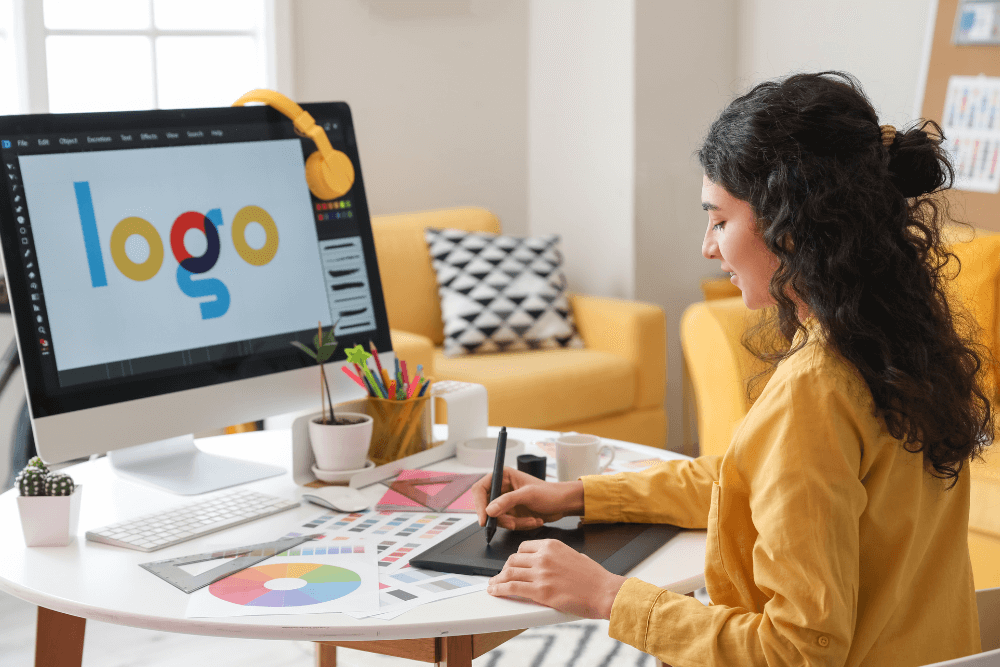
Career Opportunities and Salary Expectations
Graphic design is one of the most versatile and opportunity-rich fields in today’s job market. Whether you want a stable office job, a remote career, or full-time freelancing, graphic design offers multiple pathways for growth. In Pakistan, the demand for skilled designers continues to rise due to the expansion of digital media, e-commerce, and online branding.
Job roles in Pakistan
Graphic designers can work in a wide variety of industries, each offering different creative challenges and career paths. Common job roles include:
- Graphic Designer in advertising or marketing agencies
- Social Media Designer for brands and digital marketing firms
- UI Designer for app and web development companies
- Branding and Identity Designer
- Print Media Designer for magazines, newspapers, and printing presses
- Motion Graphics Designer in media, production houses, and YouTube channels
- In-house Designer for corporate brands and startups
Many companies in Lahore, Karachi, Islamabad, and Faisalabad hire designers to handle daily content creation, brand visuals, and promotional materials.
Freelancing opportunities (Upwork, Fiverr, Behance)
Freelancing has become one of the most profitable options for graphic designers in Pakistan. Platforms such as Upwork, Fiverr, Behance, Freelancer, and 99designs allow designers to earn globally while working from home. Popular freelance services include:
- Logo and branding design
- Social media posts and ad creatives
- Website and app UI design
- YouTube thumbnails and channel branding
- Packaging and print design
Skilled freelancers often build long-term relationships with international clients, which increases both income and exposure.
Salary range (entry-level to professional)
Graphic design salaries in Pakistan vary depending on skill level, location, and job role. Here is a general range:
- Entry-level designers: PKR 25,000 to PKR 45,000 per month
- Mid-level designers: PKR 50,000 to PKR 90,000 per month
- Senior designers or specialists: PKR 100,000 to PKR 200,000+ per month
- UI/UX designers may earn even higher, depending on expertise
Freelancers can earn significantly more, with many generating monthly incomes far above traditional job salaries once they build strong profiles.
Future scope of graphic design in Pakistan
The future of graphic design in Pakistan is promising due to continuous digital growth. More businesses are shifting online, leading to increased demand for branding, digital marketing, and user interface design. E-commerce platforms, tech startups, real estate companies, fashion brands, and media houses all require skilled designers. With AI tools assisting rather than replacing designers, individuals who learn modern design trends and software will have long-term career stability.
Common Mistakes Beginners Should Avoid
Starting a graphic design career can be exciting, but many beginners make simple mistakes that slow down their growth. By understanding these common issues early on, students can build stronger skills, create better designs, and progress faster in their careers.
Not learning the basics
One of the biggest mistakes new designers make is jumping directly into software without understanding the fundamentals. Tools like Photoshop and Illustrator are powerful, but they are only effective when you know how to use color, typography, spacing, and layout correctly. Skipping the basics leads to weak designs and slow improvement. A strong foundation in design principles is essential for long-term success.
Copying without practicing
Beginners often copy designs from the internet to learn new styles, which is fine for practice, but relying only on copying limits creativity. Without creating original work, you won’t develop your own style or problem-solving abilities. The goal should be to study designs for inspiration, then create your own versions using unique ideas and concepts.
Poor portfolio
A common mistake is building a portfolio quickly without focusing on quality. Many beginners add too many projects, incomplete work, or random designs that don’t reflect their skill level. A strong portfolio includes only your best work and presents it cleanly, with proper explanations and mockups. It’s better to show five excellent designs than twenty average ones.
Not updating skills
Graphic design trends, tools, and techniques change rapidly. Beginners who stop learning new software features, design styles, or industry practices fall behind. Continuous learning is essential. Taking short courses, following design communities, practicing regularly, and staying updated with industry tools helps you grow and remain competitive in the job market.
Why Lahore is a Growing Hub for Creative Careers
Lahore has emerged as one of Pakistan’s most vibrant cities for creative careers, including graphic design. The city hosts a thriving ecosystem of advertising agencies, digital marketing firms, tech startups, and media houses, all of which require skilled designers to meet the growing demand for visual content. This makes it an ideal place for aspiring designers to build a career and gain hands-on experience.
Rising demand in agencies and startups has created a wealth of opportunities for both fresh graduates and experienced professionals. Companies are constantly looking for creative talent to develop branding, social media campaigns, website designs, and marketing materials. This growing demand ensures that designers can find work across multiple industries, from e-commerce and software development to fashion and entertainment.
Students studying at CATS College Lahore have a unique advantage in this environment. The college provides professional training, modern labs, and guidance from experienced faculty members, preparing students to meet industry standards and excel in their careers. Programs such as BS Degree Programs offer a comprehensive foundation in design and creative thinking, while Admissions support ensures a smooth enrollment process for those ready to start their journey.
Learn more about CATS College Lahore programs here:
- BS Degree Programs: https://cats.edu.pk/bs-programs/
- Admissions: https://cats.edu.pk/admissions/
The best way to start is by enrolling in structured courses or professional diplomas that teach design fundamentals, software tools, and portfolio-building techniques. Practicing regularly and creating personal projects will help reinforce learning.
No, a degree is not mandatory. Many successful designers begin with diplomas, short courses, or certifications. A strong portfolio and practical experience often matter more than formal education in this field.
For beginners, learning the fundamentals and tools can take 3–6 months. Building a professional portfolio and gaining real-world experience may take an additional 6–12 months, depending on dedication and practice.
Conclusion & Strong Call-to-Action
Graphic design is a dynamic and rewarding career with immense growth potential. From creating logos and branding materials to designing digital interfaces and marketing content, skilled designers play a key role in shaping how businesses communicate visually. With rising demand in Pakistan and global freelancing opportunities, this field offers both stability and creative freedom for aspiring professionals.
If you are ready to start your journey, enrolling in a structured graphic design program can provide the skills, guidance, and hands-on experience you need to succeed. CATS College Lahore offers professional diplomas, short courses, and BS degree programs designed to help students become industry-ready designers.
Take the first step toward a successful career today and contact MIPPS to learn about intellectual property services, certifications, and support for your creative work. Begin your journey in graphic design with expert guidance, practical training, and a portfolio that opens doors to exciting opportunities.