Personality development is a crucial aspect of a student’s overall growth, shaping not only academic performance but also future professional success. A well-rounded personality helps students communicate effectively, build strong relationships, and confidently face challenges in both personal and professional settings. In today’s competitive world, academic knowledge alone is not enough—students must cultivate soft skills, emotional intelligence, and leadership qualities to stand out. By focusing on personality development early, students can enhance self-confidence, improve interpersonal skills, and prepare themselves for lifelong learning and career advancement.
What Is Personality Development?
Definition and Core Aspects
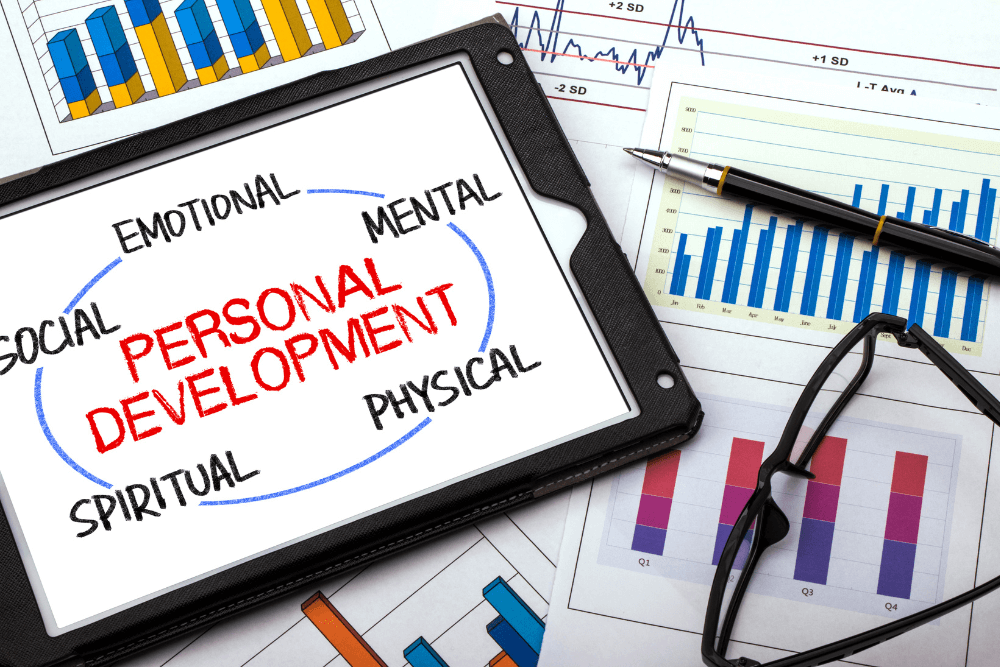
Personality development refers to the process of enhancing an individual’s character, behavior, and overall presence. It involves improving various aspects such as communication, emotional intelligence, confidence, and social skills. Core aspects include self-awareness, adaptability, critical thinking, and the ability to interact positively with others. By focusing on these elements, students can cultivate a balanced and appealing personality that reflects professionalism and personal growth.
Key Traits of a Well-Developed Personality
A well-developed personality is characterized by traits such as confidence, effective communication, emotional stability, leadership qualities, and problem-solving ability. Students with a strong personality are approachable, proactive, and capable of handling challenges with a positive mindset. Such traits help them excel academically, socially, and professionally, enabling long-term success and career readiness.
Role of Self-Awareness and Emotional Intelligence
Self-awareness and emotional intelligence are fundamental to personality development. Self-awareness allows students to recognize their strengths and weaknesses, set personal goals, and make informed decisions. Emotional intelligence helps in understanding and managing one’s emotions while empathizing with others, which is essential for teamwork, leadership, and conflict resolution. Together, these skills form the foundation of a well-rounded and adaptable personality.

Essential Personality Development Skills for Students
Communication Skills
Effective communication is at the heart of a strong personality. Students must develop verbal, non-verbal, and written communication skills to express ideas clearly, engage with peers, and convey thoughts professionally. Good communication builds confidence, reduces misunderstandings, and enhances academic and social interactions.
Confidence and Self-Esteem
Confidence and self-esteem enable students to take initiative, participate actively, and overcome challenges. By cultivating self-belief and a positive attitude, students can present themselves assertively in class, interviews, and extracurricular activities, contributing to both personal and professional success.
Time Management and Organization
Time management and organizational skills help students prioritize tasks, meet deadlines, and maintain balance between academics and personal life. Efficient planning reduces stress, increases productivity, and allows students to focus on skill-building and personal growth.
Leadership and Teamwork
Leadership and teamwork skills are essential for collaboration and career readiness. Students who can lead initiatives, motivate peers, and work effectively in groups demonstrate responsibility, accountability, and the ability to achieve collective goals—qualities highly valued in both academic and professional environments.
Problem-Solving and Critical Thinking
Problem-solving and critical thinking equip students with the ability to analyze situations, make informed decisions, and overcome challenges creatively. These skills are vital for academic projects, workplace scenarios, and real-life decision-making, fostering independence and resilience.
Adaptability and Stress Management
Adaptability and stress management help students navigate changes, challenges, and high-pressure situations with composure. By developing these skills, students can remain focused, maintain productivity, and respond positively to evolving academic and professional demands.
How Personality Development Impacts Academic and Professional Success
Improved Academic Performance
Personality development enhances focus, motivation, and learning strategies, directly contributing to better academic performance. Students who are confident, disciplined, and well-organized can manage coursework efficiently and excel in examinations and projects.
Enhanced Social Relationships
A strong personality fosters positive social interactions. Students with effective communication, empathy, and emotional intelligence build meaningful relationships with peers, teachers, and mentors. These relationships provide support, collaboration opportunities, and a healthy learning environment.
Better Career Opportunities and Employability
Personality development significantly improves employability. Professionals with strong soft skills, confidence, and leadership qualities are more likely to secure job offers, promotions, and career advancement. Employers value candidates who can communicate effectively, work in teams, and demonstrate initiative.
Personal Growth and Self-Improvement
Beyond academics and career, personality development contributes to overall personal growth. Students gain self-awareness, resilience, and a proactive mindset, enabling continuous learning and self-improvement. This holistic development prepares them for lifelong success, both personally and professionally.
Role of Educational Institutions in Personality Development
Educational institutions play a pivotal role in shaping students’ personalities. Beyond academic learning, schools and colleges provide environments and programs that foster confidence, communication, leadership, and other essential personality traits, preparing students for professional and personal success.
Interactive Classrooms and Group Activities
Interactive classrooms encourage active participation, discussion, and collaboration among students. Group activities, debates, and presentations help learners practice communication, teamwork, and problem-solving skills in a supportive environment, reinforcing confidence and social competence.
Mentorship and Guidance from Faculty
Experienced faculty members guide students in identifying their strengths, improving weaknesses, and setting career goals. Mentorship provides personalized feedback, motivation, and practical advice, allowing students to develop both academically and personally while building essential life skills.
Workshops, Seminars, and Practical Training
Workshops, seminars, and hands-on training sessions expose students to real-world scenarios and industry-relevant knowledge. Such initiatives enhance leadership, communication, and technical skills, enabling students to apply classroom learning effectively in professional and social settings.
Integration with BISE, Technical, and BS Programs
Personality development is seamlessly integrated with BISE Programs, Technical Programs, and BS Degree Programs. By combining formal education with skill-enhancing activities, institutions ensure students graduate with both academic knowledge and the soft skills necessary to succeed in careers and personal life.
Practical Tips for Students to Enhance Personality Skills
Students can take proactive steps outside the classroom to strengthen their personality and career readiness. Regular practice, self-awareness, and engagement in diverse activities are key to continuous improvement.
Regular Self-Assessment and Feedback
Self-assessment helps students understand their strengths and areas for improvement. Seeking feedback from teachers, mentors, and peers allows learners to make necessary adjustments, track progress, and develop a balanced personality over time.
Participation in Extracurricular Activities
Extracurricular activities, including sports, arts, debates, and community service, provide opportunities to develop leadership, teamwork, and interpersonal skills. Engaging in such activities builds confidence, creativity, and social awareness.
Effective Communication Practice
Practicing communication through public speaking, presentations, and group discussions enhances verbal and non-verbal skills. Regular practice helps students articulate ideas clearly, engage audiences, and interact confidently with peers and professionals.
Reading, Learning, and Continuous Improvement
Continuous learning through books, online courses, and self-study expands knowledge, critical thinking, and perspective. Staying curious and committed to self-improvement fosters intellectual growth and strengthens personality traits that contribute to success.
Success Stories and Real-Life Examples
Many students have transformed their academic and professional journeys through personality development. For example, a student who actively participated in leadership programs may secure a prestigious internship, while another who focused on communication and confidence-building may excel in competitive interviews. These real-life examples demonstrate that personality development not only enhances employability but also empowers students to achieve personal and professional milestones, setting them on a path toward long-term success.
FAQs – Personality Development for Students
A1: Personality development involves improving traits like communication, confidence, leadership, and emotional intelligence. It helps students succeed academically, socially, and professionally by building essential soft skills and personal growth.
A2: Key skills include communication, confidence, time management, leadership, teamwork, critical thinking, adaptability, and stress management. These skills prepare students for academic excellence and career readiness.
A3: Institutions provide interactive classrooms, group activities, mentorship, workshops, seminars, and integration with BISE, Technical, and BS programs to help students develop practical skills and confidence.
A4: Yes. Participation in sports, arts, debates, and community service enhances leadership, teamwork, communication, and social skills, contributing significantly to overall personality growth.
A5: Students can practice self-assessment, seek feedback, engage in effective communication exercises, participate in activities, and pursue continuous learning to develop and refine their personality skills.
Conclusion
Personality development is a vital aspect of a student’s academic and professional journey. By cultivating skills such as communication, confidence, leadership, and emotional intelligence, students enhance their academic performance, build meaningful relationships, and increase employability. Combining structured learning, practical activities, and continuous self-improvement ensures that students grow into confident, adaptable, and capable individuals ready to face professional and personal challenges successfully.
Call-to-Action
Elevate your personality and career potential with CATS College. Our programs, including BISE, Technical, and BS Degree courses, integrate personality development skills, practical training, and expert mentorship to prepare students for success. Contact us today to learn more about our programs, workshops, and courses, and start your journey toward personal growth and professional excellence.